Bank Financing and the Importance of Commercial Building Appraisals in Perth County
Local investors and owner‑operators across Perth County feel the impact of interest rate cycles more sharply than most spreadsheets predict. A bakery expanding in Listowel, a light‑industrial fabricator in Stratford, a farm‑supply distributor off Highway 8 in Mitchell, they all need reliable financing to move from plan to ribbon cutting. Lenders want comfort, borrowers want speed, and both sides need a credible number for collateral value. That is where commercial building appraisals become the hinge between a promising deal and a funded one.
Why lenders insist on appraisals
A bank underwrites risk. Before it wires a cent, it needs to know two things: the borrower’s ability to service debt and the property’s ability to protect the loan if things go sideways. The appraisal serves the second need. It is an independent opinion of market value, anchored in evidence and professional judgment, produced to national standards. In Canada, that standard is CUSPAP, the Canadian Uniform Standards of Professional Appraisal Practice, and for most commercial assets the work should be signed by an AACI‑designated member of the Appraisal Institute of Canada.
From a lender’s perspective, the appraisal feeds several gatekeeping tests:
- Loan‑to‑value. Commercial loans in Perth County often underwrite at 60 to 75 percent of appraised value, depending on asset type and covenant strength.
- Debt service coverage. Net operating income divided by annual debt service must beat a threshold, frequently in the 1.20 to 1.40 range. The income approach in the appraisal informs this.
- Marketability. If the bank needed to sell, how long would it take at a fair price, based on current buyer demand for similar properties in North Perth, Stratford, St. Marys, or the rural townships.
- Special risks. Environmental liability, functional obsolescence, floodplain exposure along rivers, or zoning constraints under the county’s Official Plan.
Those are not academic criteria. They are the pivots for approval, pricing, and conditions, and good commercial building appraisers in Perth County know how to present conclusions that answer them directly.
What a credible appraisal looks like
A commercial appraisal is more than a number on a cover page. Banks expect to see the appraiser earn that value through analysis. A thorough report for a mixed‑use building in Stratford, an industrial condo in North Perth, or a highway‑commercial site near Mitchell typically includes the following:
- Property inspection. Interior and exterior review, site access, building systems, condition, and deferred maintenance. For multi‑tenant assets, representative unit walks help validate contract rents and condition.
- Market research. Recent sales, active listings, and competing rentals in the relevant trade area. In a smaller market like Perth County, the analysis often includes a wider radius and adjustments for location, scale, and use.
- Highest and best use. A disciplined look at legal permissibility, physical possibility, financial feasibility, and maximum productivity. This can influence whether the land or the existing improvements carry most of the value.
- Valuation approaches. Cost approach for newer or special‑purpose assets where replacement cost and depreciation are meaningful; direct comparison approach where sales are sufficiently comparable; income approach for income‑producing properties, usually a direct capitalization method, and for development or repositioning cases, a discounted cash flow.
The best reports explain what was weighted and why. For example, a single‑tenant industrial building leased at market in Listowel may lean on the direct comparison and income approaches, with the cost approach serving as a check. A specialized cold‑storage facility with few comparables may rely more on the cost approach and a carefully adjusted set of sales from adjacent counties.
The Perth County context matters
Perth County is not downtown Toronto. That is a strength and a constraint. Transaction volume is thinner, cap rates can be less granular, and local knowledge becomes critical. A sale two concessions over, with similar building age and loading, means more here than a theoretical metro trend line.
- Industrial. Owner‑occupied light manufacturing and distribution buildings remain the county’s backbone. Buyers scrutinize loading access, clear heights, power, and room for expansion. Lenders focus on the dual exit strategy: re‑tenanting potential and owner‑user resale demand.
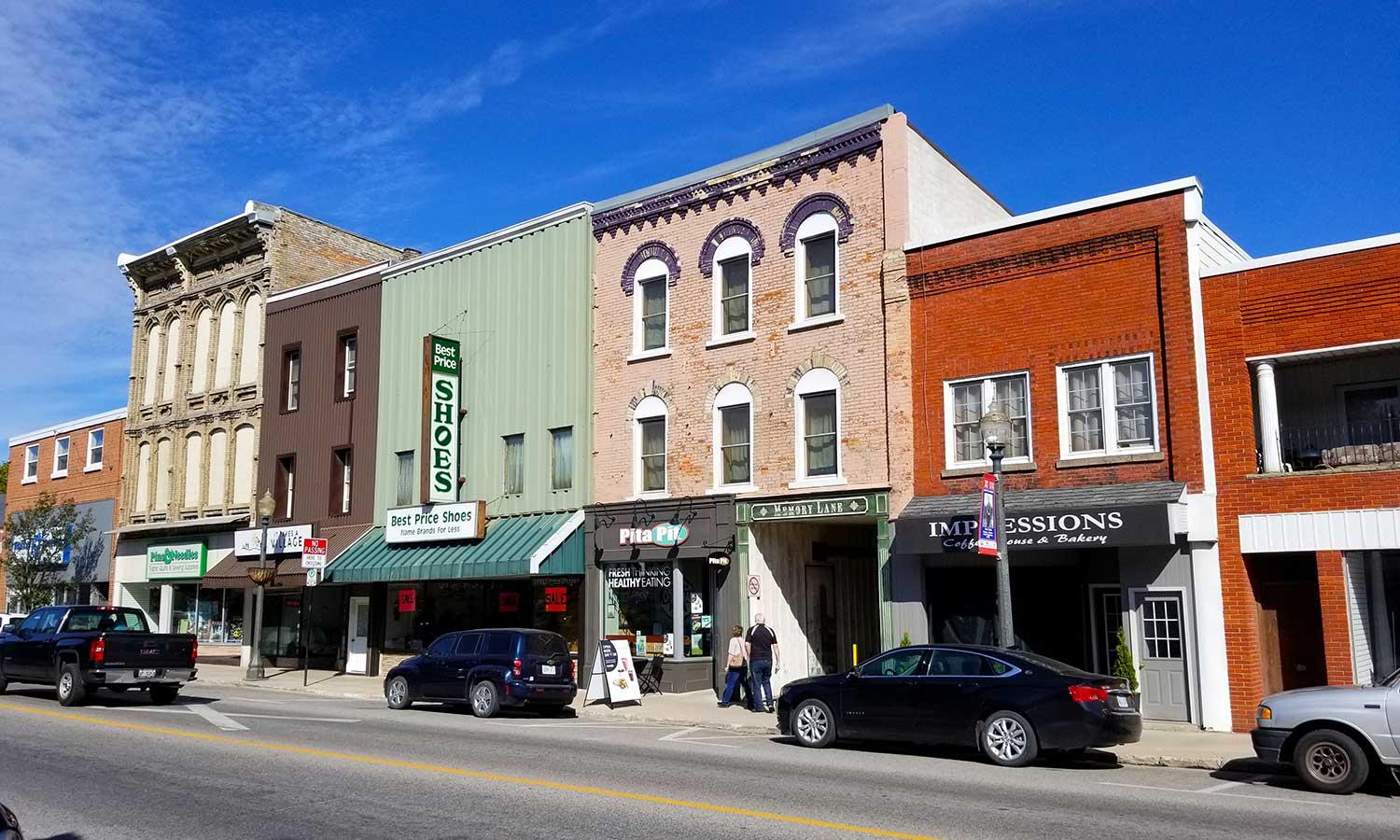
- Retail and service commercial. In town cores like Stratford and St. Marys, pedestrian traffic and heritage considerations influence value as much as lease rates. On highway strips, parking count, visibility, and curb cuts carry weight.
- Office. Outside Stratford’s cultural and creative hubs, office absorption has been tepid since 2020. Stabilized buildings trade, but underwriting assumptions run conservative on downtime and tenant inducements.
- Agri‑commercial. Grain handling, equipment dealers, and supply depots have operating realities that general models miss. Land configuration, truck turning radii, and seasonal throughput matter. Specialized commercial land appraisers in Perth County add real value with this knowledge.
In practical terms, this local texture shows up in the adjustments an appraiser makes, the rent comparables chosen, and the narrative that ties the market to the subject property.
How appraisals drive financing terms
I have seen a 20‑basis‑point rate swing ride on a carefully evidenced cap rate. Lenders price risk, and the appraisal reframes that risk with numbers they can defend in committee. Three common ways the report influences your financing:
- Proceeds. A lower value often means a lower loan amount under LTV tests. If the bank caps at 70 percent and the appraised value falls 200,000 dollars short of your pro forma, that is 140,000 dollars you need to cover with equity or mezzanine debt.
- Structure. A lender might offset uncertainty with holdbacks or conditions precedent. For example, releasing funds after roof replacement, or once a vacant unit is leased at a target rate evidenced by a signed lease and estoppel.
- Amortization and covenant. Strong collateral can support longer amortization or lighter guarantees. Thin collateral might trigger a shorter amortization, higher fees, or a full corporate and personal covenant.
A candid conversation with your appraiser before engagement helps. Share your financing goal, the contemplated lender, and any known quirks. A good appraiser stays independent but can focus research where it will actually matter to underwriting.
Bank expectations and the anatomy of a review
Even with a robust report, expect questions. Credit committees today probe assumptions that were barely footnotes five years ago. Recent items drawing scrutiny in Perth County files include:
- Environmental risk. For older industrial or downtown sites, a Phase I Environmental Site Assessment is frequently a condition of financing. If the appraisal notes potential concerns, the lender may pause until environmental diligence clears.
- Market rent versus contract rent. Appraisers separate what tenants pay from what the market would pay. Over‑market leases might be marked to market on renewal in the income analysis, while under‑market rents may be trended upward with realistic timing and downtime assumptions.
- Vacancy and downtime. Stabilized vacancy in smaller centers can differ from regional averages. A lender will want to see local justification for a 3 percent assumption versus, say, 6 percent.
- Capital expenditures. Roofs, HVAC, parking lots, and code compliance can turn a rosy net operating income into a thinner line. The report should discuss near‑term capital needs with costs grounded in current quotes or credible benchmarks.
When a lender’s reviewer queries the appraiser, it is not a conflict. It is the system working. Quick, factual addenda and clarifications keep files moving.
Sales comparison, income, and cost approaches in practice
Appraisal theory can feel abstract until it interacts with real properties.
For a leased industrial building in North Perth, assume the tenant has three years left with an option at market. The appraiser will gather rent comps from Listowel, Elmira, Stratford, and perhaps Woodstock if industrial dynamics are similar. The income approach likely applies a market rent to stabilize beyond the current term, applies a vacancy and collection loss, deducts non‑recoverable expenses, and capitalizes the resulting NOI. If recent sales exist within 30 to 60 minutes’ drive with similar building characteristics, the direct comparison approach supports the value, with adjustments for size, age, and location. The cost approach might receive lesser weight if the building is not new, but it can serve as a reasonableness check, especially where construction cost inflation has been volatile.
For a downtown Stratford mixed‑use building with ground‑floor retail and two apartments above, the appraiser evaluates segmented rents, distinct expense structures, and possibly different capitalization rates by use. Heritage elements can affect both costs and leasing. Comparable sales may be sparse, so the narrative often explains why properties in nearby towns were or were not considered good proxies.
For vacant commercial land near Mitchell or Milverton, a commercial land appraiser focuses on highest and best use, zoning under the Official Plan, frontage, depth, site services, and any constraints like drainage or load restrictions on adjacent roads. Value hinges on parcel size, permitted uses, and absorption expectations in that node. The income approach rarely applies to raw land unless a ground lease is in play, so the direct comparison approach dominates, paired with careful verification of sale terms, severance costs, and development charges.
MPAC assessment versus an appraisal
A recurring point of confusion: MPAC’s assessed value is for property taxation. It is not the same as market value for financing. MPAC uses mass appraisal methods and valuation dates that may lag market conditions. Banks and credit unions in Perth County rely on point‑in‑time appraisals by commercial appraisal companies, not on tax assessments, to support loans.
Timelines, costs, and scope
Turnaround depends on complexity and data availability. A straightforward industrial appraisal might take two to three weeks from site inspection, while a multi‑tenant retail plaza could run three to five weeks due to lease analysis and comparable verification. If the assignment requires a rush, expect a premium, and be realistic about the trade‑off between speed and depth.
Fees vary widely. A small owner‑user building might be appraised for several thousand dollars. Larger assets with many tenants, or specialized facilities like food processing, often run higher. The scope matters too. An update or restricted‑use report costs less than a full narrative, but lenders typically want a full narrative for initial financing.
When choosing among commercial appraisal companies in Perth County, confirm they have recent work in the asset class and geography, hold the right designation for commercial files, and carry professional liability insurance. Ask how they handle limited comparables and how they reconcile approaches in small markets.
Environmental, building condition, and zoning considerations
An appraisal is not an environmental report or a building condition assessment, yet it should flag material risks that could affect value. In older cores or historical industrial corridors, a Phase I ESA can be as important as the appraisal itself. Banks will not fund against soil uncertainty. Similarly, appraisers comment on observed building issues, but for roofing, structure, or MEP systems, a lender may require a separate engineering review if the risk seems elevated.
Zoning deserves close attention in Perth County’s mix of urban and rural contexts. A use that was permitted decades ago may now be legal non‑conforming. An appraiser’s highest and best use analysis weighs these legal realities. A site that cannot expand parking or loading under current rules may struggle to attract the next tenant, which flows straight to value.
Underwriting new construction and renovations
Banks underwrite construction differently than stabilized assets. They want an as‑is value and an as‑complete value, along with an estimate of market rent or sales pace on completion. The appraiser’s job is to test assumptions, not to bless a developer’s best case.
For a new light‑industrial build in Stratford, the appraiser examines current achieved rents in comparable buildings, expected lease‑up time, and likely tenant inducements. The cost approach takes a central role, with local construction cost inputs and soft costs layered in. As draws proceed, lenders may ask for progress inspections to confirm work in place aligns with budgets. If the market shifts during construction, the as‑complete value may be revisited.
For renovation financing, the appraiser will describe how the proposed work changes marketability and rent potential. A façade refresh on a main street retail building can improve tenant mix and rates, but replacing a roof that was already at end of life may preserve value rather than lift it. Lenders distinguish between maintenance capex and value‑add capex, and the appraisal helps make that case.
Working with commercial building appraisers in Perth County
The most productive assignments start with clarity. Provide full rent rolls, copies of leases, recent capital expenditures with invoices, site plans, and any previous environmental or building reports. Access matters too. An appraiser who can see every unit, roof deck, and mechanical room will produce a stronger narrative and encounter fewer lender pushbacks.
If you are seeking financing secured by land, partner with commercial land appraisers in Perth County who know severance rules, development charge bylaws, and the way absorption actually occurs in our towns and hamlets. For mixed portfolios or specialized uses, a larger firm may bring depth. For tightly local assets, a boutique with deep county roots can add nuance. There is no single right answer, but there are wrong ones, like sending a residential appraiser to value a multi‑tenant industrial complex.
A brief story from the field
A few years ago, a family‑owned manufacturer in North Perth bought a neighboring building to consolidate operations. Their offer assumed an 8 percent cap rate on the seller’s rent back, which looked fine on paper. During the appraisal, two issues surfaced. First, the rent was materially above market for that size and finish. Second, the roof needed replacement within 18 months. The appraiser, weighting the income approach and capitalizing at a more conservative rate with a near‑term roof reserve, concluded a value about 9 percent below purchase price.
The bank reduced proceeds to keep LTV intact. The buyers had a choice: bring more equity or renegotiate. Armed with the appraisal, they negotiated a price reduction and a shorter rent‑back at a corrected market rate. Financing closed on schedule. The point is not that appraisals deflate deals, but that good analysis reframes them so financing can be structured on what the property will really deliver.
Appraisals in a shifting rate environment
Interest rates reset the lens through which both lenders and appraisers view income. A cap rate is not just a number; it is a synthesis of risk, growth expectations, and the cost of capital. As borrowing costs move, cap rates tend to adjust, but not uniformly across asset types and towns. A fully leased, newer industrial building with strong demand drivers in Stratford may hold value better than a tertiary office building with renewal risk.
Expect appraisers to stress‑test income and apply forward‑looking judgment about leasing risk. Expect lenders to sharpen DSCR thresholds or seek more equity. None of this is doom and gloom. Deals still get done, but they get done on the strength of credible assumptions, transparent reporting, and borrowers who understand the interplay between value and structure.
Preparing for an appraisal that supports financing
Here is a compact owner’s checklist that helps keep the valuation aligned with your financing timeline:
- Assemble documents early: rent roll, leases and amendments, operating statements for two to three years, capex history, site plans, and surveys.
- Be candid about vacancies, arrears, or deferred maintenance, and provide context plus any remediation plans with quotes.
- Confirm access to all areas, including roof, mechanical rooms, and any outbuildings. Arrange keys and escorts ahead of time.
- Share your financing context with the appraiser, including the lender’s name and any known conditions. Independence remains intact, but focus improves.
- If environmental or building reports exist, provide them. Surprises late in underwriting cause the longest delays.
A well‑prepared file can shave days off the process and reduce the back‑and‑forth between lender, reviewer, and appraiser.
Refinance, renewal, and portfolio strategy
For owners with maturing debt in the next 12 to 24 months, the appraisal is more than a compliance item. It is an input to strategy. If your last financing was arranged in a lower‑rate era, today’s DSCR might be tight even if operations are steady. An updated appraisal can surface options:
- If value has increased through leasing or improvements, you may offset higher rates with higher proceeds.
- If value is flat or down, early discussions with your lender can preempt a scramble at maturity. Extending amortization, injecting modest equity, or staging capital projects can restore ratios.
- For multi‑property owners, sequencing appraisals and renewals to pair stronger assets with weaker ones under a portfolio view can stabilize terms.
Work with commercial appraisal companies in Perth County that can handle single‑asset reports quickly and also coordinate multi‑asset assignments when needed. Consistency across reports helps a lender assess a portfolio without reconciling conflicting methodologies.

When to seek a second opinion
Most commercial building appraisers in Perth County take their independence seriously. That said, markets are imperfect, and two professionals can differ reasonably. If you believe a report missed critical comparables or misunderstood the property, engage the appraiser respectfully with data. If the gap remains material, your lender may allow a second appraisal or a review appraisal. Keep in mind, a second opinion is not a guarantee of a higher value. Use it when there is substance behind the concern, not just hope.
Final thoughts for borrowers and lenders
For borrowers, an appraisal is a tool, not a hurdle. Done well, it clarifies value drivers, exposes blind spots, and equips you to negotiate price, loan terms, or business plans from a position of knowledge. For https://titusvywm496.capitaljays.com/posts/new-construction-to-stabilization-appraising-commercial-buildings-in-perth-county lenders, it is the foundation under the credit memo. In a county where each town has its own rhythm and where data points are fewer, the caliber of the appraiser matters. Choose partners who know the terrain, speak plainly about risk, and connect analysis to the decisions at hand.
Perth County’s commercial market rewards practicality. Buildings trade on utility, cash flow, and the quiet confidence that someone else will want them in five or ten years. A strong appraisal practice supports that confidence. When you work with capable commercial building appraisers in Perth County, or with experienced commercial land appraisers for development assets, you do more than clear a condition. You anchor financing on reality, and that is the one constant that lets projects move from intent to outcome.
And for anyone tempted to lean on a rough rule of thumb or an MPAC notice to forecast their next loan, consider the stakes. Collateral value drives proceeds, structure, and cost. Spend the time with a professional. Share your information. Ask hard questions. In a market like ours, that diligence pays for itself before the first draw hits your account.
A quick word on terminology and scope for local readers
You will hear several phrases used interchangeably in the market. A commercial building appraisal in Perth County refers to a valuation of improved property used for business, such as retail, office, or industrial. A commercial property assessment in Perth County may be used casually to describe the same service, though assessment also refers to municipal taxation by MPAC, which is separate. When seeking fee quotes, be clear you need a CUSPAP‑compliant appraisal for financing, not a tax appeal or an informal broker opinion. If the property is land only, ask specifically for a commercial land appraisal. And when comparing commercial appraisal companies in Perth County, confirm their designations and recent file experience. In this work, the right expertise is the fastest path to the right number.