Commercial Appraisal Services Bruce County for Development Land & Rezoning
Commercial land in Bruce County rarely behaves like a cookie cutter spreadsheet. Fields that look flat on a drive-by can hide tile drainage, aggregate potential, or a woodland edge that triggers a buffer. A vacant parcel outside Port Elgin can be worth twice as much as one near Paisley, then lag again once you factor in servicing or a road improvement condition. For owners, lenders, and municipalities, the appraisal challenge is to measure value while development risk, policy, and timing all move at once.
I have spent years appraising commercial and development land across Southwestern Ontario, including farm-to-subdivision transitions along the Lake Huron corridor, rural commercial sites fronting provincial highways, and industrial expansions tied to the nuclear supply chain. What follows is a practical look at how commercial appraisal services in Bruce County approach development land and rezoning assignments, what information really moves the needle, and how to navigate uncertainty without guessing. If you are seeking a commercial property appraisal in Bruce County, or you engage commercial property appraisers in Bruce County on a regular basis, you will recognize many of these themes.
What drives development land value in Bruce County
Bruce County is not a monolith. Values track with municipal policy, growth demand, and servicing readiness. Saugeen Shores has different velocity and pricing than South Bruce Peninsula or Huron-Kinloss. Proximity to Bruce Power and the broader nuclear cluster has buoyed industrial and contractor yard demand. Shoreline communities draw residential interest but face infrastructure limits, conservation constraints, and strong local planning controls. Rural hamlets have fewer institutional buyers and longer absorption. These variations change both the highest and best use and the valuation method.
For development land, market evidence forms the backbone, but adjustments often carry more weight than the raw sales. Two 20 acre sales might differ by a million dollars once you normalize for servicing, density, and timing. I often build a grid that starts with these three anchors:
- Legal and policy status: designations in the Official Plan, current zoning, and overlays tied to natural heritage or source water protection.
- Servicing path: existing water and sewer proximity, capacity allocation, and estimated off-site costs or development charges.
- Market context: inventory of approved lots, builder activity, and absorption pace in the submarket.
That framework helps keep the appraisal disciplined when the evidence is thin or the property straddles more than one outcome.
The planning lens: policy risk and probability
Rezoning is fundamentally about probability. Appraisers do not approve projects, but we must read the room with enough accuracy that lenders and investors can rely on the value. In Bruce County, the Provincial Policy Statement sets the provincial direction, but each local Official Plan and zoning by-law shapes what is feasible on the ground. On a 40 acre tract inside a designated settlement area, the question might be timing and density. Outside the boundary, the hurdle is need and policy consistency, and the probability is lower unless special circumstances apply.
Two examples illustrate the point. A 25 acre site at the east edge of Port Elgin, abutting existing low density, carried R1 zoning next door and fell inside the settlement area with a Secondary Plan mapping a collector road. Servicing existed at the boundary, and Saugeen Shores had a track record of annual greenfield development. We sized up the rezoning and plan of subdivision as a medium to high probability after standard studies, and we valued using the subdivision development method with a 3 to 4 year lot release.
Contrast that with a 50 acre farm near Lucknow, two concessions from the settlement boundary and with a mapped Significant Woodland and a Saugeen Valley Conservation Authority regulated floodplain along the rear. The Official Plan language ranked protection and compact form. Even with growth in the region, the leapfrog case would be weak. The highest and best use was continued agricultural with a modest premium for long term speculation, supported primarily by agricultural rents and rural estate lot comparables, not by notional subdivision math.
Between these edges lies much of the work. Where rezoning is plausible but not clear, I assign probabilities to scenarios, then weight the indicated values. For instance, 60 percent chance of residential low density, 25 percent chance of mixed residential with a park block loss, and 15 percent chance of no approval with continued agricultural use. The resulting value reflects risk the way the market behaves, rather than pretending approval is binary.
Approaches to value that actually work here
There is no single right tool. The right appraisal approach depends on the stage of the property and the quality of the evidence.
Sales comparison for raw or future development land. This is the first stop when there are recent arms length sales of similar parcels. In Bruce County, I often draw from Southampton, Port Elgin, Kincardine, and Tiverton for residential land. For commercial and industrial, Highway 21 and proximity to Bruce Power facilities can show a premium. Adjustments account for settlement area location, zoning status, frontage, topography, environmental features, and servicing. Time adjustments matter in rising markets, and I model them using paired sales or resale evidence of serviced lots and finished homes, then trace back to land.
Subdivision development method. Once you can paint a credible subdivision with assumed density, lot mix, and timing, a discounted cash flow can capture entrepreneur’s profit, soft and hard costs, development charges, parkland dedication, and contingencies. The danger is false precision. I bracket inputs with ranges grounded in recent builder deals and municipal fee schedules, then stress test absorption. In a Saugeen Shores case, we used 35 to 45 singles per year with a mid year convention over a 4 year period, 8 to 10 percent entrepreneur’s profit on revenue, and a 12 to 14 percent discount rate reflecting local risk and capital cost at the time. Those numbers shift when the lot mix includes towns or stacked towns, or when off-site works are heavy.
Interim income and land residual. For parcels generating rent from seasonal uses, crop leases, outdoor storage, or billboards, that income may carry a meaningful piece of value, particularly if timing to development is five years or longer. I underwrite interim cash flow with realistic downtime during approvals and servicing. On industrial land near Tiverton, contractors sometimes pay premium yard rents for laydown space tied to outage cycles at Bruce Power. That income can bridge a higher land value than raw sales alone would suggest, though it will not compensate for heavy servicing deficiencies.
Extraction and allocation. In rural mixed-use or highway commercial settings, improvements can be minor or obsolete relative to land value. I use extraction to strip improvement contribution from comparable improved sales, isolating land value for adjustment. Allocation works in reverse when land to building ratios are stable for a narrow property type.
Expropriation and partial takings. Linear infrastructure and road widenings around growing communities can trigger takings. Under Ontario’s Expropriations Act, injurious affection and disturbance damages require careful before-and-after analysis. I model remainder utility, access, and site plan implications, then derive loss in value. Lenders and municipalities bring in a commercial appraiser in Bruce County for these files because local context and policy interpretation change outcomes.
Servicing, costs, and the quiet line items that change land value
Non-appraisers often focus on density, but servicing nuance can move value more. Water and sewer availability is step one. Capacity allocation and timing is step two, and it matters just as much. If a municipality anticipates a plant expansion in https://kameronqnmt107.yousher.com/step-by-step-the-commercial-building-appraisal-process-in-bruce-county year three, the discount rate and hold costs must reflect that wait. If the property requires a new trunk main, the proponent may front-end costs and recover from benefitting owners later, which adds risk and negotiation. I account for off-site implications using engineer estimates, recent project benchmarks, and contingency ranges of 15 to 25 percent depending on design maturity.
Development charges are material. Schedules change and grant programs can come and go. I build DC assumptions directly from current by-laws for the relevant municipality and type of unit, then test sensitivity at plus or minus 10 percent. Parkland dedication can hit large tracts hard. At the alternate rate, calculated as a percentage of land value before development, cash-in-lieu can run into seven figures. That circularity requires an iterative solution in the subdivision method: estimate land value, compute parkland, revise land value, and repeat until the model stabilizes within a narrow band.
Environmental and natural heritage constraints are not just boxes on a map. A Provincially Significant Wetland can sterilize developable acres and impose buffers. A Significant Woodland may require edge management and block design that lowers net density. Species at risk findings can change timing windows. A shared story: a seemingly clean 32 acre parcel near the Saugeen River tested fine for soils and had serviceable grades, but a late-stage bat habitat finding pushed tree clearing to winter and added one year to the approvals timeline. The value impact came from both extra carrying costs and a shift in the market cycle by that year.
Agricultural reality under speculative shine
Strong grain prices and livestock demand have raised agricultural land values in Bruce and Huron counties. A property inside or near a settlement boundary may sell for a development premium, but the fallback value floor is often the agricultural market. I verify cash rent (typically expressed per acre) and yield history. Minimum Distance Separation from nearby barns can constrain future residential use, so I plot MDS arcs early. Tiles and drainage add real utility. In more than one file, the buyer initially targeting development recalibrated to a longer hold once off-site servicing costs came in high. When acceptable, the appraisal reflects a blended owner return from both crop rent and anticipated future development, properly risked.
Commercial and industrial specifics along the Highway 21 and nuclear corridor
Industrial demand in the Bruce area has been lumpy but resilient. Outage schedules and supplier expansions have boosted the need for contractor yards, small-bay industrial, and laydown space. Municipal industrial parks in Kincardine and Saugeen Shores have posted deals at per-acre prices that reflect shovel-ready status, road and servicing in place, and predictable timing. Private tracts without internal roads or with hydro constraints trade at a discount. A commercial real estate appraisal in Bruce County for industrial land leans heavily on line item adjustments for power, frontage for heavy vehicles, and access to Highway 21 or to County arterial roads.
Highway commercial sites rely on traffic counts, access management, and visibility. The Ministry of Transportation controls entrances on provincial highways, and spacing standards can limit full-movement access. I discount value where right-in, right-out is the only immediate option or where a shared entrance easement must be negotiated. Fuel, fast food, and service retail users each view sites differently, so I tailor comparable sets by user where the market allows.
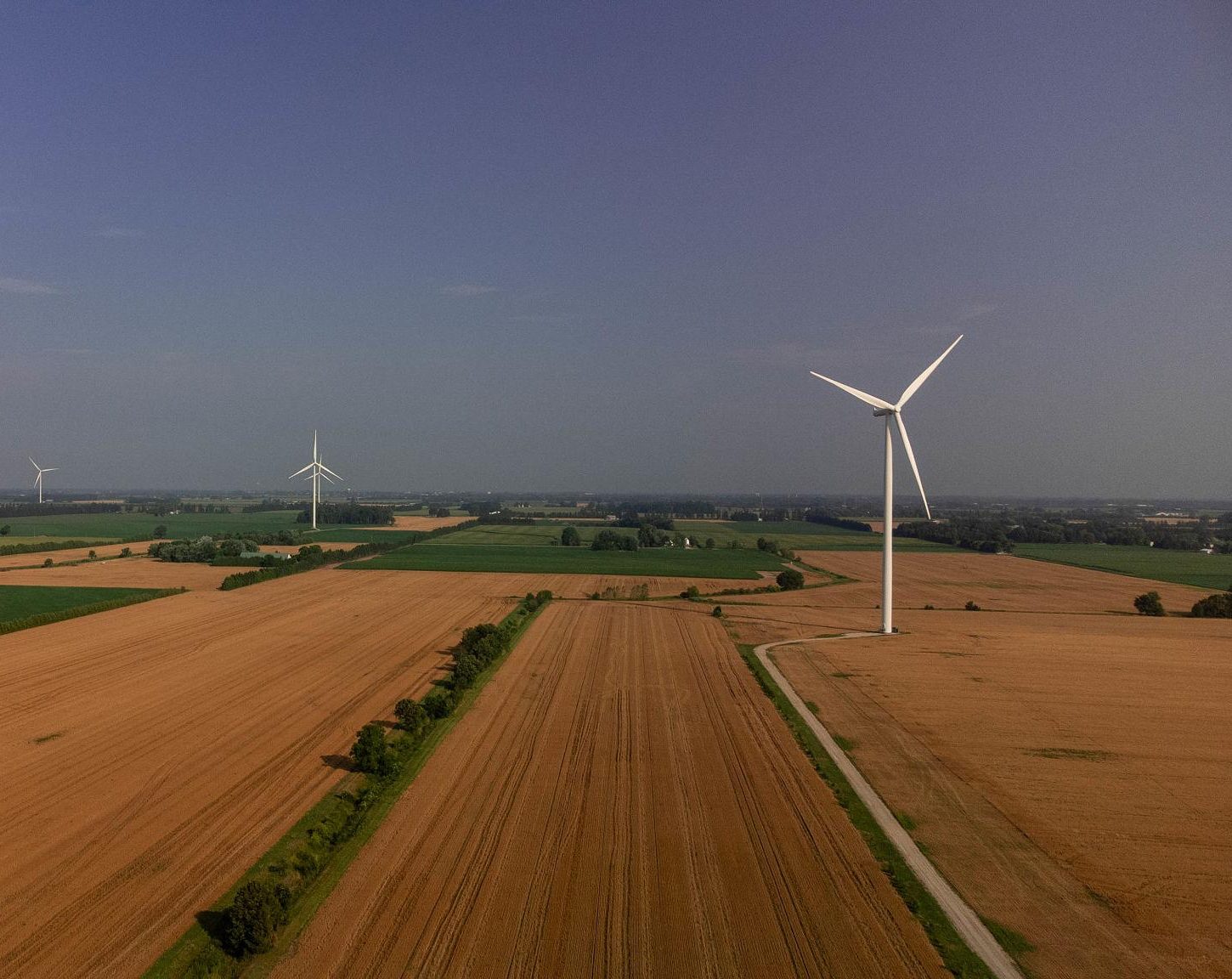
Renewable energy overlays add a twist. Wind and solar footprints exist across the region. Where a property carries a lease, the rent stream and decommissioning obligations affect value. In one appraisal near Inverhuron, a solar lease added predictable income but reduced development flexibility for a portion of the site, leading to a two-part valuation: income capitalization for the leased acres and market land value for the balance.
Evidence problems and how we solve them
Development land sales are infrequent and often confidential. Broker data can be incomplete. To keep opinions credible, I triangulate. Land registry documents provide conveyance price and date. Plan numbers link to subdivision status and servicing. Council minutes and staff reports reveal conditions of draft approval. When a sale includes vendor take-back financing or phasing considerations, I normalize price to present value. I prefer to interview at least one party to each key comparable, if they will speak, then cross-check against building permit runs and builder releases to calibrate absorption.
On timing adjustments, I avoid casual percentage bumps. In 2021 to 2022, detached new home pricing in parts of Saugeen Shores and Kincardine moved quickly, then cooled in late 2022 into 2023. Serviced lot values follow with a lag, then raw land trails again. I reconstruct the cascade from end product to lot to land using multi-stage residuals. If detached new home pricing rose 8 percent year over year, but builder margins compressed by 2 percent due to cost inflation, the lift to lot value might be closer to 4 or 5 percent, not the full 8. That nuance stops an appraisal from over-reading a hot quarter.
What your appraiser needs on day one
Good appraisals start with complete files. Development land has too many moving parts to leave gaps. If you are hiring commercial appraisal services in Bruce County for a rezoning or development assignment, pull together the following:
- Current survey, site plan concepts, and any draft subdivision or site plan submissions, even if preliminary.
- Planning documents and correspondence, including pre-consultation notes, staff comments, and any peer review reports.
- Servicing information: location of nearest water and sewer, capacity letters if available, and any third-party engineer estimates for on-site and off-site works.
- Environmental and natural heritage materials: Phase I ESA, geotechnical, hydrogeological, EIS, species at risk or tree inventory, and conservation authority correspondence.
- Deal history and income: offers, letters of intent, crop leases, yard or storage rentals, and any option or easement agreements.
With these in hand, a commercial appraiser in Bruce County can give you more than a number. You get a reasoned set of scenarios and a path to refine value as milestones are hit.
Risk, discount rates, and entrepreneur’s profit in real terms
Discount rates on development cash flows and the entrepreneur’s profit allowance generate debate. Lenders sometimes default to a single figure that worked in a different town. The right inputs anchor to local risk. I set discount rates in a band that reflects financing costs for land and development loans, approval timing, and exit market volatility. In a stable pre-sold subdivision setting with municipal support and no major off-site costs, 10 to 12 percent has made sense in certain Bruce County cases. In earlier stage or heavier lift files, 12 to 15 percent is more defensible. Entrepreneur’s profit on revenue for low density has commonly sat between 8 and 12 percent in my work here, higher for complex sites or where townhouses dominate and construction risk increases.
The distinction matters. A one point change in discount rate across a four year cash flow can move land value by a meaningful margin. I disclose the sensitivity so clients see the swing range. That transparency is essential for both lenders and developers when markets shift.
Municipal finance and community benefits
Beyond development charges, municipalities can levy community benefits charges on certain higher density developments, structured as a percentage of land value. In Bruce County, applicability varies with scale and by-law adoption. For low rise subdivision land, the traditional parkland dedication rules still dominate. I confirm whether a municipality will accept a park block or require cash-in-lieu, and I price the decision accordingly. For infill or rezoning to mid-rise in core areas of Southampton or Kincardine, a potential community benefits charge is tested in the model to avoid surprises.
Indigenous engagement and archaeology
Much of Bruce County carries archaeological potential, especially along watercourses and historic corridors. Stage 1 and 2 assessments are routine on greenfield files, and positive findings introduce time and cost. Engagement with Indigenous communities is a municipal duty through the planning process, but proponents often support it. From a valuation perspective, the point is not to score the politics. It is to reflect realistic timing and any design changes that come out of consultation. When a site along the Saugeen required an expanded buffer after archaeology, our model trimmed net developable area by roughly 8 percent and extended the timeline by one construction season, which altered value more than any single comparable sale adjustment.
Lender expectations and reporting clarity
When banks or private lenders order a commercial real estate appraisal in Bruce County for development land, they expect clarity on collateral strength, approval risk, and milestones that trigger value step-ups. I map conditions like draft plan approval, servicing agreements, and registration to discrete value inflection points. An early-stage land loan may be sized on as-is value with agricultural fallback, while a later advance relies on as-if rezoned or as-if draft approved value, with retainage until specific works are complete. Clean reporting with scenario weighting helps credit committees read risk without guesswork.
Common pitfalls that cost clients money
A short list of missteps shows up repeatedly.
- Treating settlement area inclusion as a guarantee of quick approvals, rather than a starting point that still requires studies, conditions, and capacity.
- Ignoring off-site servicing triggers, especially road upgrades or trunk extensions that are not obvious on day one.
- Underestimating parkland or community benefit cash-in-lieu by failing to model the circular tie to land value.
- Borrowing discount rates and profit allowances from a different market cycle or city without stress testing local absorption.
- Letting confidentiality block access to key documents, which forces the appraiser to widen the risk band and depress the supportable value.
These are avoidable with early coordination between the owner, planner, engineer, and the commercial property appraisers Bruce County teams rely on.
When to reappraise and how to calibrate over time
Development land value is not static. Each milestone increases certainty and often value, but not always. After a major policy change, a change in development charges, or a shift in borrowing costs, a fresh look can save a deal. I encourage reappraisal at three points: after pre-consultation when scope is clearer, after draft approval when conditions are fixed, and after execution of servicing agreements when costs and timing are locked. For complex files, a short update letter focused on a single moving piece, such as a new DC by-law or a capacity allocation letter, can be more useful than a full rewrite.
Choosing the right appraiser for Bruce County
Local market fluency, planning literacy, and development math all matter. An appraiser who can read a zoning map but not a servicing drawing will miss costs. One who can build a discounted cash flow but ignores MDS or conservation constraints will overstate density. When you evaluate commercial appraisal services in Bruce County, look for evidence of land development work across several municipalities within the county, willingness to interview counterparties on comparable sales, and comfort running scenario analyses. An AACI-designated appraiser with Bruce County experience brings credibility with lenders and municipalities that a generic report cannot match.
A closing perspective from the field
Not long ago, I was engaged to value a 60 acre parcel on the edge of a lakeside community, long held by one family. The owners had three different opinions in hand from people who meant well, each driven by a single narrative. One said the land would fetch a premium because a nearby builder was active. Another discounted heavily based on a rumored moratorium. The third ignored servicing. We built a model grounded in what the municipality had already supported, costed two off-site items that turned out to be manageable with a developer group cost-sharing, and weighted a realistic risk band on timing. The number was lower than the family hoped, higher than the most pessimistic view, and specific enough that a lender advanced on it. Eighteen months later, after draft approval, we updated the report, trimmed the discount rate by a point, and the land value stepped up in line with the plan. The difference was not a clever formula. It was disciplined attention to Bruce County’s particulars.
If you need a commercial property appraisal Bruce County stakeholders will trust, especially for development land and rezoning, demand that level of specificity. A commercial appraiser Bruce County clients return to year after year will bring both market evidence and practical judgment to the table, test scenarios instead of making big bets on a single outcome, and explain every key assumption in plain language. That is how you turn uncertainty into a decision you can finance.