Commercial Appraisal Services in Perth County: Trends and Best Practices
Commercial valuation in Perth County is never just a spreadsheet exercise. It lives in the texture of the local market: farm supply yards with busy weigh scales in August, main street storefronts that ride the Stratford Festival season, small bay industrial condos that pull tenants from Kitchener and London, and office users who would rather park on Mitchell’s main drag than wrangle downtown traffic elsewhere. A sound appraisal has to read those nuances and translate them into defensible numbers that bankers, buyers, municipal staff, and courts can rely on.
Below is a grounded look at where commercial appraisal work stands in Perth County today, what is moving values, and how owners, lenders, and advisors can get the best results from a commercial appraiser in Perth County.
The lay of the land
Perth County’s commercial stock spans four core municipalities, with Stratford and St. Marys operating as separate but inseparable market influences. North Perth around Listowel has grown into a logistics and light manufacturing hub along Highway 23 with ties north and west. Perth East and West Perth offer agri-business nodes around Milverton and Mitchell. Stratford, a short drive along Highway 7 and 8, remains the cultural and service anchor. Tenants often shop options across these boundaries, so a commercial real estate appraisal in Perth County needs to read the region as a connected set of submarkets.
The property types appraisers see most often include:
- Main street retail with apartments above, often older stock with mixed capital requirements.
- Small and mid bay industrial buildings, clear heights in the 16 to 24 foot range, some with excess land for outside storage.
- Service commercial sites like gas stations, car washes, and equipment dealerships that serve the agricultural base.
- Professional and medical office in low rise buildings, some owner occupied, some strata.
- Hospitality tied to event and seasonal traffic, especially Stratford oriented but with spillover to St. Marys and Mitchell.
Farm related assets, like grain elevators and feed mills, live just outside the standard commercial group but influence land values, traffic counts, and the stability of the local tenant base.
What changed the last few years
Interest rates and construction costs reshaped underwriting more than any other factors. After a sharp rise in borrowing costs through 2022 and 2023, cap rates widened across Ontario’s secondary markets. In Perth County the shift was visible first in office and tertiary retail, then in older industrial stock without modern loading or clear heights. By mid 2024, inflation had cooled and deal activity started to unstick in small increments. That thaw did not reverse the full cap rate expansion, but it narrowed bid‑ask spreads enough for lenders to re‑engage on well leased, simple assets.
Construction costs remain above 2019 levels by a meaningful margin. Most owners and contractors I speak with peg all‑in costs for basic commercial shells at 25 to 40 percent above pre pandemic baselines, depending on spec, servicing constraints, and sitework. Replacement cost new and entrepreneurial incentive in the Cost Approach need careful handling, especially on older buildings where functional obsolescence is doing more of the heavy lifting than raw cost inflation.
On the demand side, three local patterns stand out:
- Seasonality stabilizes certain rent rolls. Businesses that capture festival foot traffic in Stratford often pre lease earlier and tolerate slightly higher gross rents, with tradeoffs in winter softness.
- Owner occupiers still anchor the industrial market. Many small manufacturers prefer to own, which sets a floor under values in the 6 to 8 thousand square foot range, particularly where outside storage is permissible.
- Logistics wants yard space. Even without 401 frontage, properties with drive through truck access, room to marshal trailers, and TMI transparency lease quickly, often to regional distributors.
The appraiser’s toolkit, tailored to Perth County
Any commercial property appraisal in Perth County leans on the classic approaches to value. The trick is knowing which one deserves the most weight for a given assignment, and how to source reliable inputs when big city datasets come up short.
Income Approach. For stabilized income properties, direct capitalization remains the workhorse. Finding real, arm’s length rent data is the main challenge. MLS and public records catch only a sliver of leases. Private brokerage intel, landlord statements, and TMI reconciliations become critical. Vacancy and collection loss should reflect submarket specifics, not a generic 5 percent line item. For main street mixed use, 3 to 6 percent is more common when apartments upstairs are strong, while older office or specialty retail on secondary streets may warrant 7 to 10 percent, particularly if recent turnover has revealed tenant inducements. Expense ratios swing widely. Municipal taxes and insurance are easily verified. Repairs and maintenance are often underreported by small owners who self perform work, so an appraiser has to normalize those to market levels.
Discounted Cash Flow rarely adds clarity for simple assets under 25,000 square feet unless there are scheduled step rents, rolling options, or significant capital items mid horizon. When I do run a DCF, it is usually for multi tenant retail with staggered maturities or a property transitioning to market rents from legacy contracts.
Direct Comparison Approach. Sales are fewer than in Kitchener or London, which means expanding the search radius and time horizon while adjusting carefully for location and date of sale. North Perth industrial comparables can be bridged to Waterloo Region with adjustments for exposure, labour pool depth, and highway access. For retail, Stratford comparables deserve weight because buyer pools overlap, but properties on Ontario Street do not translate directly to Listowel’s Main Street without scale and traffic count adjustments. With limited trades per category, one or two outliers can skew the range, so every verified sale gets dissected for financing terms, vendor take back components, and capital items assumed by the purchaser.
Cost Approach. This matters more here than many appraisers like to admit, particularly for owner occupied industrial and specialty assets such as car washes, small medical clinics, and gas bars. Land values for serviced lots in Perth County can surprise newcomers; scarcity, not just raw size, drives pricing. For unserviced hamlet sites on wells and septics, the reverse often holds, and external obsolescence can be substantial if local processing capacity or traffic generators have shifted. Replacement cost sources need to be current. I triangulate between national cost services, recent contractor quotes, and known build contracts from the last 12 to 24 months, then cross check soft cost loadings and developer profit with what lenders see in pro forma reviews.
Zoning, services, and the details that swing value
Land use rules in Perth County look straightforward until you dig into servicing, frontage, and site plan control. On paper a C2 or M1 designation might permit the intended use, but if stormwater must be handled on site and soils are clay, your usable site coverage can drop materially. Rural commercial parcels on private services carry real constraints on maximum occupancy and food service uses. When a commercial appraiser in Perth County evaluates highest and best use, these practical limits often move the needle more than headline zoning permissions.
Excess land has become a quiet value driver. A 1.2 acre industrial parcel with a 10,000 square foot building and room for outside storage or an addition trades differently than the same building on a tight 0.6 acre lot. Where municipalities are receptive to minor variances for outdoor storage screening or increased lot coverage, that potential adds optionality buyers will pay for.
Environmental risk intersects often with legacy uses. Bulk fuel storage, farm chemical depots, machine shops with solvent histories, and auto service bays all flag ESA requirements for lenders. A Phase I ESA is the norm for secured lending; Phase II is common if recognized environmental conditions pop. A realistic timeline for testing and, if needed, remediation must be built into value opinions when a sale is pending. Valuation can carry an as is mark and an as if remediated mark in reports where decisions hinge on environmental outcomes.
Market rents, cap rates, and what the numbers look like
Ranges matter more than single point claims, and they change block by block. The following figures reflect what I have seen across assignments and verified deals through late 2023 and 2024 in Perth County and immediately adjacent markets. They should be treated as orientation, not a substitute for local underwriting.
Small bay industrial, 5,000 to 20,000 square feet, basic finishes, 16 to 22 foot clear: net rents in the 9 to 14 dollars per square foot range depending on loading, power, and yard space. Newer buildings with efficient bays and two or more drive in doors push the top end. Capitalization rates for stabilized, simple tenancy properties generally fall between 6.25 and 7.75 percent, widening for functional issues and single tenant risk.
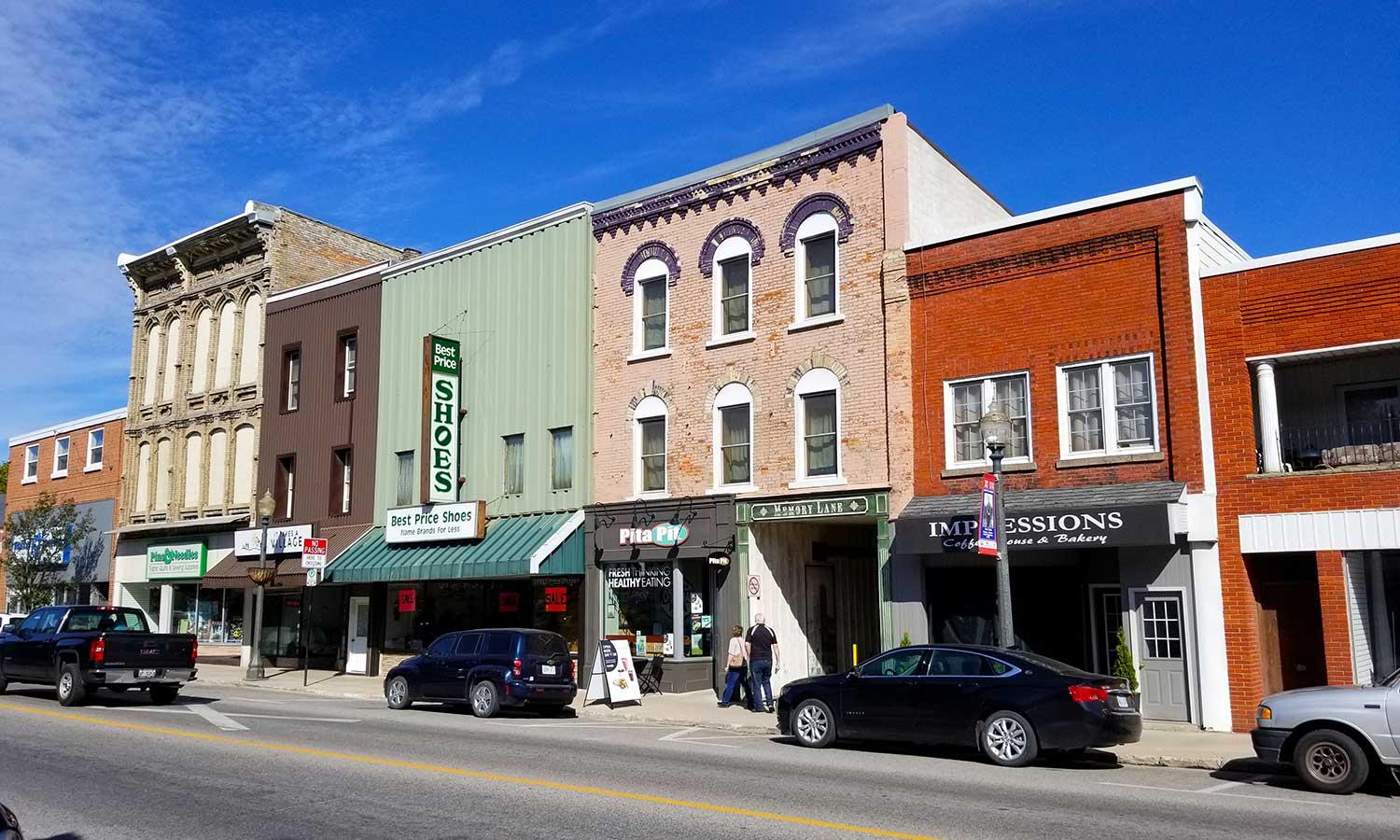
Main street retail with second floor apartments: ground floor net effective rents commonly 14 to 22 dollars per square foot, driven by frontage and seasonal foot traffic. Upper apartments usually trade on a different metric, but when rolled into an overall cap, the blended rate often sits between 6.5 and 8.5 percent based on condition, parking, and stability.
Suburban style office and medical: gross rents vary widely. For tidy, smaller suites with ample parking, effective net equivalents often land between 12 and 18 dollars. Vacancies in older buildings nudge cap rates higher, typically 7.5 to 9.5 percent unless anchored by a long term medical or institutional tenant.
Service commercial sites such as car washes and gas stations require income normalization beyond simple rent. They often appraise using a business enterprise framework or a ground and improvements split when leased. Lenders will expect support on throughput, margin, or wash counts across seasons.
Stratford’s seasonal pull and why it matters to value
Whether a property sits in Stratford or 15 minutes away, hospitality and certain retail niches move with the festival calendar. Appraisers who ignore seasonality overstate stabilized income for operators who need to bank summer cash to survive February. Expense lines for temporary staff, marketing spikes, and higher credit card fees around peak months are part of the story. When underwriting tenant strength, a three year revenue stack with month by month detail tells a truer tale than a single year T2.
The same seasonal effect supports some landlords. Pop up tenants, short term leases, and premium rents on prime corners can lift EGI meaningfully. A commercial appraisal in Perth County that captures this pattern will typically use a weighted average of recent actuals, not a flat pro forma.
Sales verification in thin markets
One of the most common mistakes I see is treating published sales as gospel. In smaller markets, a surprising number of recorded transactions include vendor take back financing, credits for deferred maintenance, or bundled personal property. That does not make them unusable, but adjustments must be explicit. When a buyer secured a below market rate VTB in 2022 to bridge rate shock, part of the price reflected financing, not real property value. Proper time adjustments since 2021 also matter. Using a broad Ontario trend line can overcorrect. Localized paired sales and cap rate surveys offer a tighter read.
Best practices for owners and lenders engaging a commercial appraiser in Perth County
Working with a commercial appraiser in Perth County is most productive when the scope is clear and the data is honest. Appraisers bound by the Canadian Uniform Standards of Professional Appraisal Practice will ask for detailed documents early. They are not trying to be difficult; they know that missing data triggers conservative assumptions that can hurt value.
Here is a short, practical checklist that helps set a valuation up for success:
- Provide current rent rolls, lease copies, and any side letters, even for tenants in arrears.
- Share the last two years of operating statements with notes on anomalies or one time items.
- Disclose capital projects, quotes, or building reports, including roof, HVAC, and electrical.
- Flag any environmental work, from Phase I reports to spill events and remedial actions.
- Clarify intended use, stakeholder timelines, and lender requirements that affect scope.
Scope alignment prevents surprises. If a lender needs an as is and as complete value for a phased build, the engagement letter should say so, along with the definitions of completion and the contemplated financing structure. For expropriation, tax appeal, or litigation files, effective dates and retrospective analyses must be locked down with counsel.
Approaching highest and best use with local judgment
Infill and adaptive reuse projects are less common than in larger centers, but they do exist. Former industrial buildings in Listowel have converted to multi tenant flex, and older service commercial in St. Marys has found second life as professional office or specialty retail. Highest and best use analyses should weigh feasibility with more than back of napkin rent bumps. Servicing capacity, fire separations, parking minimums, and market acceptance for unit sizes control outcomes. I have walked buildings where a textbook office conversion made sense until the elevator and second exit costs erased the margin. In other cases, a simple reconfiguration of loading and demising walls unlocked better rents with modest capital.
For vacant commercial land, absorption assumptions can kill or save a project. A 3 acre parcel with C2 zoning might look like a strip plaza waiting to happen, but if nearby centers have vacant space and drive through stacking lanes are constrained by frontage, a multi phase, pad first approach may be the only bankable path. Appraisals should reflect that kind of staging reality.
Construction costs, replacement, and the cost approach done right
When the Cost Approach is weighted meaningfully, replacement cost new should not be a black box. I ask builders for current rough orders of magnitude for envelope, structural, mechanical, and electrical on a per square foot basis, then reconcile with cost manuals. Soft costs in this region typically add 15 to 22 percent for permits, design, and fees, with an additional contingency of 5 to 10 percent depending on site conditions. Developer profit remains a moving target. For owner occupiers, the correct load is often lower than for speculative builds. Ignoring that difference overstates value.
Depreciation needs judgment. Physical depreciation on a 1990s metal clad industrial with updated LED lighting but original roof is not the same as a tilt up built in 2015 with a failing office HVAC. Functional issues, like 12 foot clear heights or a lack of dock doors, can dwarf age based deductions. External obsolescence has also increased. Where nearby competition added dock served bays and flexible office showrooms, older buildings without those features feel the pressure, even when well maintained.
Lender expectations and reporting standards
Most major lenders operating in Perth County follow national credit policies. They will expect:
- A current, CUSPAP compliant narrative appraisal with summary or self contained depth depending on loan size and complexity.
- Market supported cap rates and vacancy, not a single third party source without reconciliation.
- Clear commentary on environmental, building condition, and title encumbrances like easements or site plan agreements.
For construction financing, staged values with assumptions tied to construction draws and prelease tests are standard. Some lenders impose environmental holdbacks even with a clean Phase I for properties with automotive or agricultural chemical histories. A commercial appraisal services provider in Perth County who is used to this cadence can save weeks by getting the right consultants moving early.
Tax appeals and assessment nuance
MPAC assessments for commercial properties in secondary markets can lag true market conditions, sometimes high, sometimes low. If you are considering a tax appeal, an appraiser’s role is not to cherry pick, but to build a credible value that fits MPAC’s valuation date and methodology, then explain differences in rents, vacancy, and cap rates with local evidence. Properties with mixed use are especially susceptible to misallocation between residential and commercial components, which affects the tax class weighting rather than just total value. Getting the split right can change the tax bill even when total assessed value stays close to MPAC.
A realistic look at risk
Not every property is financeable at the number an owner hopes for, and not every risk is fixable on a lender’s timeline. The most common tripwires I encounter in Perth County include unpermitted mezzanine offices inside industrial bays, undersized septic systems that cap occupancy, and roofs past end of life with no reserve. These are not fatal flaws, but they change value and, more importantly, deal certainty. I encourage owners to get ahead of these items before ordering an appraisal tied to a financing condition.
A recent file illustrates the point. A small manufacturer near Mitchell sought to refinance to fund equipment. The building was tidy, with decent clear height and a simple yard. During inspection we found https://telegra.ph/How-Commercial-Building-Appraisal-in-Perth-County-Impacts-Your-Investment-Decisions-05-22 an enclosed spray booth installed years ago without updated approvals. The lender required proof of compliance or removal. The owner opted to decommission the booth and provided photos and invoices. With that, the valuation held, and the refinance closed. Without early transparency, the deal would have stalled at credit committee.
Working with data scarcity
Perth County does not have the sheer volume of transactions found on the 401 corridor, so commercial appraisal services in Perth County rely more on relationships, careful verification, and a feedback loop with local brokers, municipal staff, and lenders. When a comp set is thin, I sometimes widen the net to Guelph, Kitchener, or London, then adjust with local rent and vacancy evidence, rather than force a match to one or two imperfect sales. That kind of triangulation, while slower, usually produces a tighter, more defensible value.
Preparing for a sale or refinance: small moves, real impact
Owners often ask which upgrades pay back in valuation terms. In this region, two improvements punch above their weight: roofs and lighting. A new membrane roof or well documented repair with warranty removes a common lender holdback and de risk premium. LED retrofits with utility documentation reduce operating costs and make leasing pitches more credible. On the other hand, lavish office buildouts in otherwise basic industrial space rarely return their cost unless targeted to a known tenant base.
For retail, signage and transparency matter. Clean, well lit storefronts with compliant signage bylaws and documented sign rights command better rents. Parking clarity helps too. I have seen value sag on properties with ambiguous parking rights, especially when adjacent lots change hands.
Common pitfalls to avoid
The fastest way to a disappointing report is to leave the appraiser guessing. A short list of avoidable missteps:
- Withholding leases or side agreements that later surface at credit or legal review.
- Assuming Stratford’s prime retail metrics apply unchanged to secondary streets or towns.
- Ignoring private services limits that restrict headcount or food uses.
- Relying on a broker opinion without supporting rent rolls, expenses, and cap rate evidence.
- Ordering a desktop report when a full narrative is required by the lender’s policy.
Final thoughts for stakeholders
Whether you are commissioning a valuation for financing, acquisition, tax appeal, or estate planning, the same principles apply. Clarity of scope, honest data, and local context produce the best outcomes. A commercial appraiser in Perth County earns their keep not by producing thick reports, but by narrowing uncertainty with facts gathered on the ground, sound judgment about which approach deserves weight, and transparent reasoning that stands up to scrutiny.
If you operate or invest here, you already know the strengths of the market: a steady industrial base, disciplined owner occupiers, and a strong cultural magnet that punches above its weight. The same traits that make the region resilient also demand careful, property specific valuation work. When you engage commercial appraisal services in Perth County with that mindset, you get more than a number. You get a tool to make cleaner decisions, at a pace that matches real transactions, with fewer surprises along the way.
For anyone navigating a commercial property appraisal in Perth County over the next cycle, expect continued emphasis on credit quality, modest cap rate compression if borrowing costs ease, and no letup in diligence around environmental and building condition. The appraisals that stand up will be the ones built from local rent rolls, verified sales, and a frank accounting of what the bricks, the dirt, and the user base can actually deliver.