Commercial Property Appraisal Perth County: Impact of Location and Demographics
Perth County rewards careful reading. Two properties a few blocks apart can perform very differently, and the reasons are rarely mysterious if you track how people live, work, and travel through the county. For an investor, lender, or owner, the tight link between location, demographics, and cash flow sits at the heart of every commercial property appraisal in Perth County. A credible opinion of value comes from pairing local insight with disciplined methodology, then tempering both with judgment.
Why place still dominates price
In commercial real estate appraisal Perth County looks simple at first glance. Farmland frames compact towns, industrial space often sits close to a highway, and retail clusters where the traffic is. Yet once you examine leases, customer origins, and logistics routes, you find micro markets stitched together by commuting patterns and seasonal demand. Stratford’s independent status as a city inside the county’s geography, the vitality of Listowel in North Perth, and the main streets of Mitchell and Milverton all contribute differently to value. Even within Stratford, the theatre district’s peak season shapes hospitality, while light industrial on the east side moves to the rhythm of regional manufacturing.
Appraisers set value based on three classical approaches, but the weight carried by each approach changes with location. A downtown mixed use building with established tenants leans on the income approach. A newer single tenant retail pad with a corporate covenant, ground lease, and drive thru pulls strongly from cap rate evidence across southwestern Ontario. A special purpose agri supply facility may rely more heavily on the cost approach and functional utility analysis. All three, however, live or die on how well the appraiser interprets place.
The county’s economic map, sketched in day-to-day reality
Start with roads. Highway 7 and 8 carry Stratford’s east west flow to Kitchener Waterloo and London. Highway 23, crossing through Listowel, ties into Minto and Wellington. Secondary routes like 119, 8, and 86 funnel farm suppliers, trades, and everyday shoppers across towns. A property 150 metres off a highway junction with clear sightlines and safe left turns will outcompete a site only a kilometre away that forces a tricky U turn or shares an access with heavy truck traffic. I have watched a small format convenience retail unit in a less obvious pull off lag 20 percent behind pro forma sales for two years, simply because the driveway geometry made re entry to the highway a hassle.
Then consider employment nodes. Stratford’s advanced manufacturing, food processing, and the digital media cluster support both light industrial and service retail. Listowel benefits from a broad rural catchment and a growing roster of national chains, yet it still supports local operators with strong brand loyalty. Mitchell and Milverton have steadier, locally anchored trade flows, where tenants tend to be durable if the rent is right and the space is efficient. St. Marys, while a separated town, shares labour and spending patterns with Perth South and influences traffic to nearby corridors. For appraisers, these patterns guide not only rent estimates, but also the appropriate exposure period when valuing under a hypothetical sale.
Demographics that move the needle
Population growth in the county over the last census cycle has been modest to healthy depending on the municipality, with Stratford itself adding several thousand residents from 2016 to 2021. Nearby Kitchener Waterloo Cambridge grew faster, and that expansion spills into Perth County as people trade longer commutes for lower housing costs and a slower pace. The result shows up in two places: tenant demand for small service bays and clinics, and steady absorption of well located, smaller retail units that offer convenience without a long drive.
Age distribution matters more than many owners expect. An older median age supports medical office, hearing care, physiotherapy, and pharmacies, often in ground floor commercial with parking close to the door. Young families drive demand for daycare, quick service restaurants, and fitness. In a mixed demographic area, the best centres mix essential services with a few regional draws. When a national grocer anchors a site, rent levels for small inline units can run materially higher than in a stand alone strip that relies on pass by traffic alone.
Income and spending power track with employment stability. Perth County benefits from a diversified rural economy. Agri food supply chains, construction trades, and specialty manufacturing have different cycles, but together they cushion shocks. During a credit tightening phase, non discretionary spending holds up better than discretionary. Appraisers should reflect that resilience by moderating vacancy loss and collection loss in stabilized pro formas for necessity based retail, while being more conservative with specialty or seasonal tenants.
Tourism flows, anchored by the Stratford Festival, create another layer. Hotels, restaurants, boutiques, and short term retail pop ups experience pronounced summer peaks. A hospitality property that looks average on a trailing twelve month income statement might deserve a premium if it consistently spikes during festival months and holds winter occupancy through corporate or wedding traffic. The appraiser’s task is to distinguish durable, repeatable seasonal uplift from one off events or operator specific magic that does not transfer on sale.
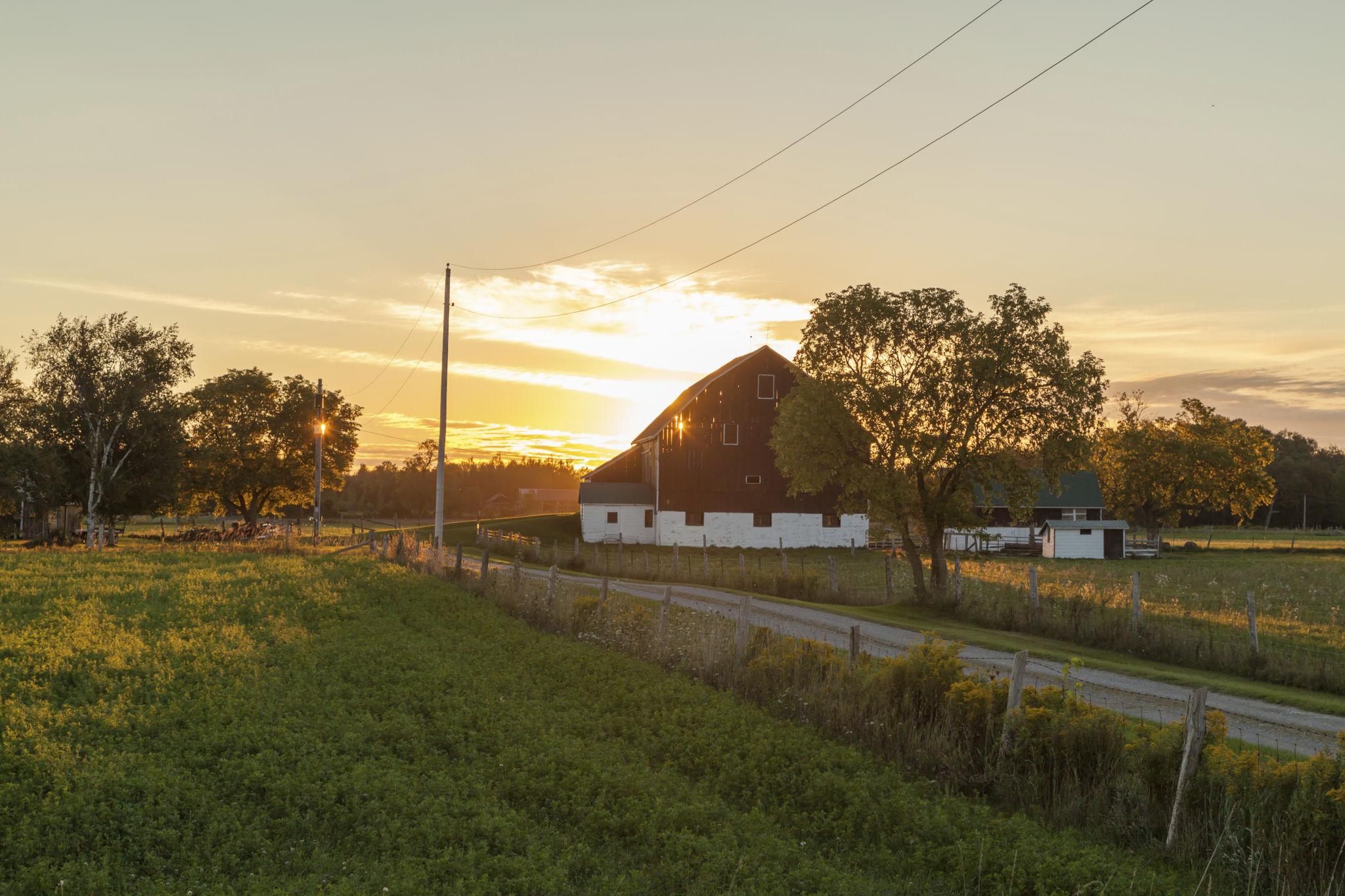
Commuting patterns also leave a trace. Properties aligned with morning and evening traffic, ideally on the right hand side of the road for the dominant flow, rent faster and retain tenants longer. In a recent lease up, two nearly identical drive thru pads in Stratford had a rent delta of roughly 10 percent simply because one faced the inbound morning commute toward employment areas, while the other served outbound traffic with a tougher left turn. Not every tenant cares, but QSR and coffee chains do, and that shows up in the proposals.
How appraisers turn place and people into value
The toolkit is familiar, yet the weighting and adjustments depend on local nuance. For a commercial property appraisal Perth County owners often focus on a cap rate, but the path to that number runs through a series of judgments.
First, market rent. The thinner the direct comparables within a town, the wider the geography the appraiser must canvass. It is common to blend data from Stratford, Listowel, and nearby markets such as St. Marys, Woodstock, Exeter, and parts of Waterloo Region. The art lies in backing out the impact of superior traffic counts or larger trade areas from those external comps. For example, a 2,500 square foot inline retail unit beside a grocer in Listowel does not support the same base rent as a similar unit in a large power centre in Waterloo, even if the finish and tenant quality match. Downward adjustments for exposure and trade area depth are necessary.
Second, vacancy and downtime. Stabilized vacancy in well located, essential service retail in the county can be kept modest, sometimes in the low single digits, provided units are the right size and have practical parking. For older office space without elevator access, or large, obsolete showrooms, allowance for longer marketing periods makes sense. Industrial vacancy has been tight across southwestern Ontario in recent years, often in the 1 to 3 percent range in stronger nodes, but a single outlier building with poor loading can sit longer. The appraiser should treat each submarket on its own merits and confirm with current brokerage intel rather than rely on last year’s rule of thumb.
Third, expenses and reserves. Taxes and insurance have risen across the province, and a realistic reserve for short lifecycle items, especially RTUs and paving, should find its way into the pro forma. Triple net leases do not eliminate risk if the tenant is small or the area’s rent backfill could be slow.
Finally, capitalization and discount rates. Small to mid sized retail and office properties in secondary markets of Ontario often trade in a range that has, over the last two years, clustered roughly between the mid 6s and mid 8s, with industrial at the tighter end when clear heights, loading, and location are strong. The spread against core markets widens when tenant quality is weaker or building utility is compromised. Each valuation needs a time stamp. Cap rates have been sensitive to interest rate movements, and a prudent appraiser will pair current closed sales with pending deals and brokerage guidance to position the subject credibly within a band, not a single brittle point.
Property type by property type
Downtown main street retail in Stratford, Listowel, Mitchell, and Milverton offers character, walkability, and visibility. Values rise with strong upper floor uses, especially residential that boosts foot traffic. However, older buildings can hide capital needs. An appraiser does not simply accept NOI at face value if leases are under market because the landlord deferred increases while planning renovations. A supported mark to market schedule, phased over realistic turnover periods, grounds the income approach.
Highway commercial around key nodes benefits from capture of transient trade. Drive thru pads, gas and C stores, and fast casual operators prize convenient access and ample stacking. In this class, land value matters. Ground lease comps from nearby counties often inform the residual land rate. If zoning is flexible and depth to services is short, the underlying land can carry more weight than the structure, especially for older improvements with limited reusability.
Light industrial in the county ranges from small contractor bays to larger flex buildings that serve regional suppliers. Clear height, bay size, and loading drive rent levels. A dated 12 foot clear building with limited power might sit at a meaningful discount to a 20 foot clear building with multiple drive in doors. Appraisers who lump all “industrial” into a single rent figure miss that nuance. In multiple assignments, we have found rent spreads of 20 to 35 percent between seemingly similar properties once utility and access are fully mapped.
Special purpose agri related commercial presents its own challenges. Grain handling, feed mills, and agri equipment dealerships have layouts and site improvements that do not easily convert. The cost approach, reconciled with a market based land rate and functional obsolescence adjustments, often carries more weight. Sales comparison might rely on a thin set of transfers across a wider region. Income analysis can work when a property is leased to a strong covenant, but the appraiser must test whether that lease reflects market or embedded business value.
Medical and professional office has resilience in towns with aging populations and fewer competing buildings. First floor accessibility, abundant parking, and proximity to pharmacies and labs all matter. Rental rates for clinical space can justify a premium over generic office if plumbing, lead lining, or specialized build outs are already in place. The trick is sorting landlord owned improvements from tenant installed, then recognizing which fixtures are removable.
Sales evidence and the reality of thin markets
Compared to big metro areas, Perth County has a smaller pool of arm’s length commercial sales in any given quarter. That does not undermine a valuation, it simply requires a broader lens and stronger adjustments. A commercial appraiser Perth County practitioners often expand their search to Huron, Oxford, Middlesex, and Waterloo Region to triangulate cap rates and unit prices, then adjust for trade area depth, exposure, and tenant mix. When sales are scarce in the exact property type, leasing data gains importance. The goal is to avoid cherry picking the one outlier that supports a desired value and instead build a case from a balanced set of indicators.
Time adjustments have re entered the conversation. If a key comparable closed when interest rates were materially lower, the appraiser should consider a market based trend, supported by paired sales or broker sentiment, rather than ignore the shift. Lenders appreciate seeing the reasoning spelled out, even if the adjustment is modest.
Case snapshots from the field
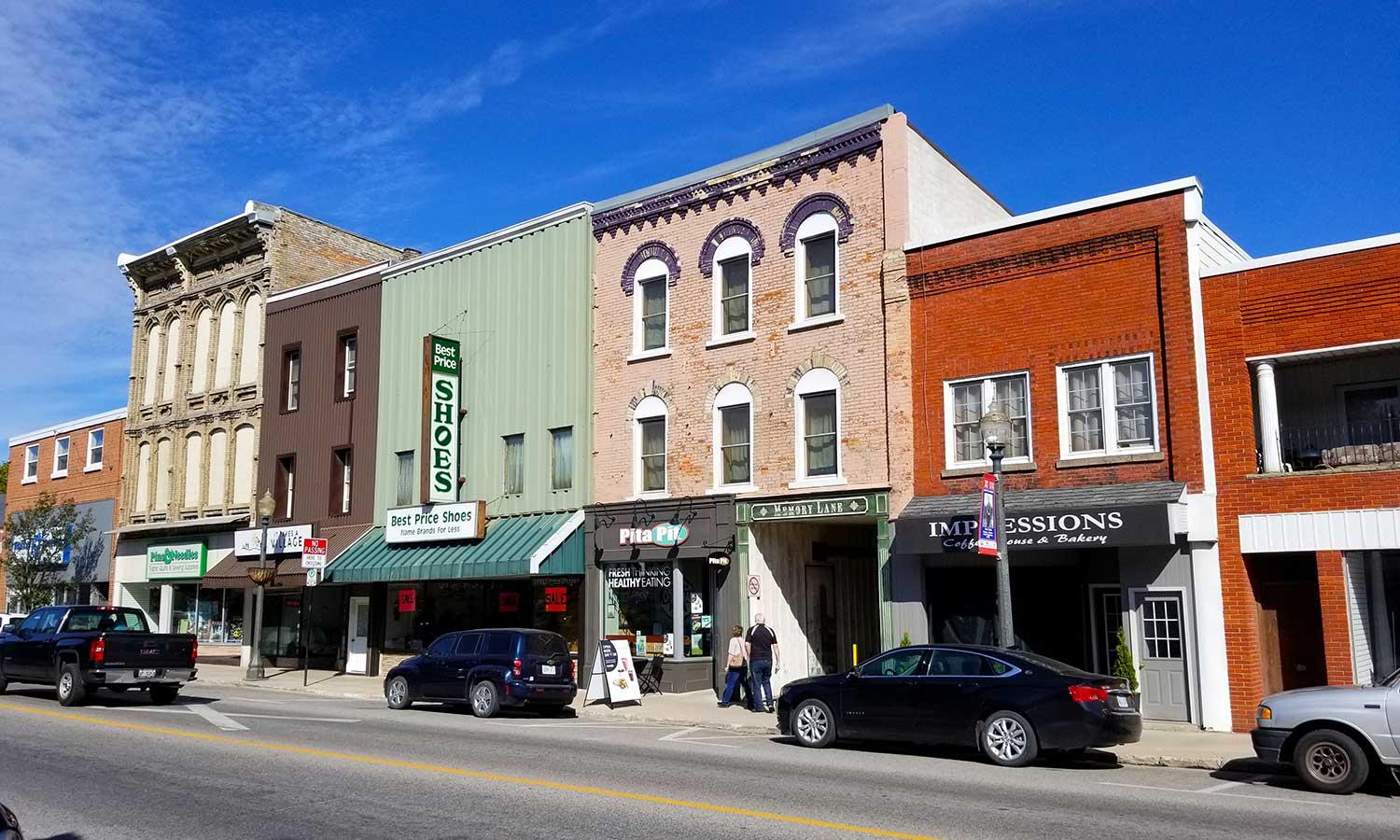
A mixed use brick building in Stratford, with two street level retail units and four apartments above, looked average on paper. The retail tenants paid below market rents under older leases. A pure direct capitalization of in place NOI would have undervalued it. We modeled a phased mark to market over three years, with realistic vacancy and turnover costs, and included a reserve for façade work already approved by the owner. Sales of similar buildings within a few blocks supported the stabilized rent targets. The reconciled value landed higher than the straight cap on current income, but the lender accepted it because the path to stabilization was credible and supported.
A small contractor yard in West Perth had broad appeal among local trades but sat beside a road with limited winter maintenance priority. Several buyers flagged that risk during the marketing period. We moderated the exposure period and applied a slightly higher overall rate compared to in town industrial. The property still sold within the indicated range, but only after the vendor agreed to extend municipal water to the lot line, a detail with real, quantifiable impact on value.
A highway pad site near Listowel attracted multiple national chains. The highest offer came from a tenant seeking to ground lease, with a rent that implied a land value higher than recent fee simple sales. The key was access. Right in, right out, with excellent stacking and a planned signalized intersection within a year. Ground lease comparables from nearby counties confirmed the rate. The appraisal leaned heavily on land comps and the income stream from the ground lease, with the building improvements deemed tenant owned. A cost approach would have misled.
Seasonal influence without rose coloured glasses
The Stratford Festival boosts demand for hotel rooms, dining, and retail during performance months. That uplift should not be ignored, but neither should it be over capitalized. In valuing hospitality assets tied to seasonal events, we normalize revenues over a multi year period, strip out one time group bookings, and examine winter strategies that keep staff and occupancy steady. Buyers pay for reliable patterns, not single seasons. A commercial appraisal Perth County practitioners who know the festival cadence will ask for monthly, not just annual, statements, along with RevPAR indexes if available.
Retail landlords near festival venues sometimes claim higher base rents justified by summer foot traffic. Leasing data demonstrates that strong summer sales can support percentage rent structures or promotional fees, but base rent still depends on off season resilience. Appraisers should test the covenant strength and examine whether tenants who rely on tourists also build a local customer base.
Zoning, utilities, and the small print that changes big numbers
Zoning flexibility is a quiet value driver. A C1 or equivalent zone that permits a wider set of uses cushions against tenant failure. Properties with rigid, narrow permissions face longer downtime. Setbacks, parking ratios, and loading requirements, especially in older main street buildings, can also limit reconfiguration. A thoughtful highest and best use analysis looks past the present tenant to the next likely user a year or two out.
Utilities play a similar role. Three phase power, adequate water pressure for sprinklers, and fiber availability separate winners from stragglers. During a recent appraisal of a light industrial condo unit, confirmation of available power capacity tipped a manufacturing prospect from tentative interest to a signed LOI. That LOI added weight to a higher market rent conclusion.
Environmental conditions matter across rural commercial. Former fuel sites or properties on older fill can face lender hesitancy. If a Phase I ESA flags potential issues, the appraisal should reflect the cost to cure or market stigma, even when no remediation is required. Buyers in the county have become more sophisticated about environmental risk, and sale prices respond accordingly.
Practical steps for owners preparing for valuation
- Assemble a complete rent roll with lease abstracts, including renewal options, step ups, and expense caps. Add trailing 24 months of operating statements, plus copies of recent capital invoices.
- Provide site plans, surveys, zoning confirmations, and building permits for major work. If there is a Phase I ESA, include it. If there is not, be ready to explain site history.
- Share any current offers to lease or letters of intent, even if not firm. Market evidence in hand helps the appraiser test conclusions.
- Note access quirks or pending road works. A planned turning lane or signal can change effective exposure within a leasing cycle.
- If seasonal patterns are material, supply monthly revenue data and booking reports rather than only annual totals.
Those few items shorten turnaround, reduce follow up questions, and make the appraisal file stronger with lenders and auditors.
Working with a local appraiser
Perth County rewards people who walk properties, stand at the curb during peak traffic, and talk to the building inspector. A commercial appraiser Perth County based or frequently active in the area will know which intersections back up at school pickup and which ones stay fluid, which landlords keep their exteriors immaculate and which ones defer, and where the next round of municipal servicing is planned. That knowledge shows up in the adjustments and in the confidence intervals around value.
Commercial appraisal services Perth County providers often coordinate with planners and engineers when a property’s future use drives most of its value. Where a change in use is plausible within a reasonable time, the appraisal should model that scenario transparently, with probabilities and costs laid out. Lenders do not mind ambition when it is backed by steps, approvals, and timelines, not just a sketch and a hope.
Risk, reward, and the right kind of patience
Thin markets test discipline. When only a few sales exist, it is tempting to cling to the one that matches a target. Better practice triangulates from multiple angles: rent comparables, cap rate bands from neighboring markets, cost and depreciation, and buyer behavior we observe on the ground. In recent years, as borrowing costs moved, pricing in smaller Ontario markets adjusted unevenly. Properties with strong tenant covenants, excellent exposure, and low capex needs continued to attract premium bids, while buildings needing heavy reinvestment lagged. Perth County fits that pattern. Location and demographics set the context, but execution and asset quality call the plays inside it.
For owners and lenders seeking commercial real estate appraisal Perth County work that stands up to scrutiny, insist on a report that links place to numbers, not just a stack of https://milorlrq992.cavandoragh.org/how-commercial-building-appraisers-in-perth-county-determine-cap-rates-1 comps and a single cap rate. Ask how traffic flows, who the tenants serve, what the next likely user wants, and where the labor force comes from at 7 a.m. On a Tuesday. The answers to those questions drive value, and they have for as long as anyone has put a price on a piece of land.
The bottom line for decision makers
If you hold a small retail plaza on the edge of town, your best rent growth might come from replacing a discretionary tenant with a medical or service use that meets an aging demographic. If you are scouting for a highway pad, fight for the right turn in, and confirm stacking counts with a tenant’s operations team before you price the land. If you own older industrial, measure the clear height, count the doors, and check the power, because those three numbers will either save your rent or cap your buyer pool.
Good appraisals read like good field notes. They show their work and connect the dots that matter. In Perth County, those dots are painted by location and demographics, interpreted through the daily habits of residents, commuters, and visitors. Whether the assignment is a commercial property appraisal Perth County lender driven refinance or a purchase decision that needs speed and certainty, the strongest opinions of value come from professionals who can explain, in plain terms, why this corner, on this road, serving these people, deserves this number.