Comparing Commercial Appraisal Companies in Wellington County: Key Differentiators
Commercial valuation in Wellington County, from the tight industrial corridors in south Guelph to the mixed main streets of Fergus and Elora, carries its own rhythm and risk. If you are financing an acquisition, setting a fair rent for a triple net lease, appealing an assessment, or carving a phased plan for a business park, the appraiser you choose shapes more than a number on page one. Method, data, judgment, and independence all show through the final value. The best commercial appraisal companies in Wellington County know the terrain, the bylaws, and the people who transact here. The weaker ones rely on thin comps, generic templates, and drive times instead of site time.
This guide unpacks what actually differentiates one firm from another when you need a commercial building appraisal in Wellington County. It also sketches how to test for fit, price, and rigor before you sign an engagement letter.
The market context you are hiring into
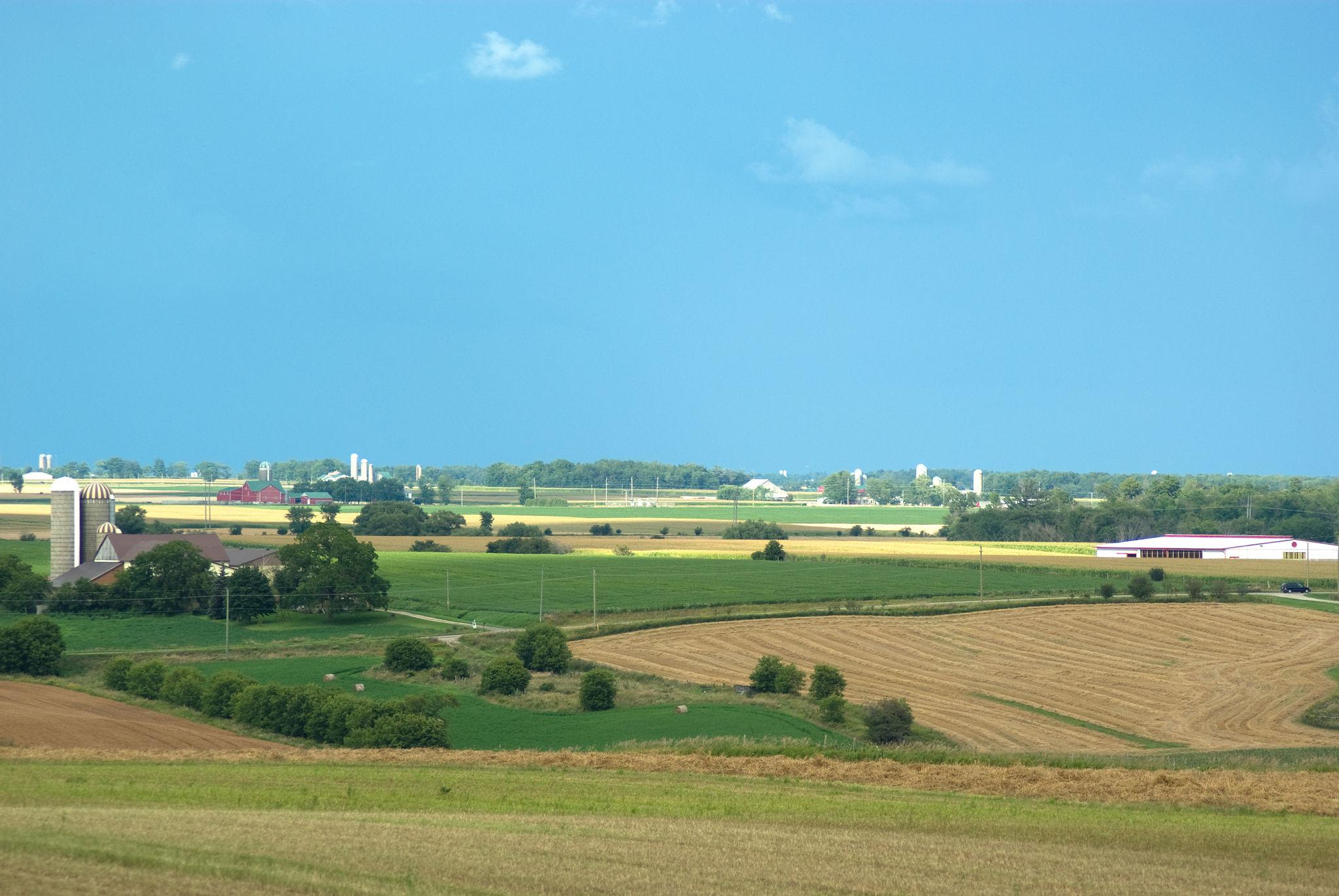
Wellington County is not a single market. Guelph trades at different cap rates and rent metrics than Arthur or Mount Forest. Elora and Fergus, with tourism and heritage streetscapes, price mixed use properties with more weight on upper floor residential income than you might expect. North of Highway 89, agricultural land dominates and is best understood with a rural lens, including Minimum Distance Separation setbacks, tile drainage, and soil class. Industrial nodes near the Hanlon and the 401 draw regional tenants who prize logistics, clear heights, and yard space. Retail has bifurcated. Grocery anchored pads in Guelph hold tight, while legacy main street storefronts in smaller towns may see slower absorption if the tenant base is thin.
From late 2022 through 2024, higher borrowing costs lifted capitalization rates and pushed purchasers to scrutinize operating statements line by line. Lease audits matter more today. Land values became more sensitive to servicing assumptions and development timelines. Any firm placing value in Wellington County must show how it is handling these pivots instead of producing a one size fits all narrative.
Credentials tell part of the story, not the whole story
You will see familiar designations on résumés. In Canada, most lenders, courts, and insurers expect sign off by an AACI or, in some limited scopes, a CRA. A senior reviewer with litigation experience helps when files stray into expropriation or tax appeals. For commercial building appraisers in Wellington County, membership in the Appraisal Institute of Canada, current E&O insurance, and adherence to CUSPAP are baseline. Those are necessary, not sufficient. Look for who is actually doing the work. A senior AACI who interviews tenants, walks the mechanical rooms, and builds the Argus or Excel model will produce a different product than a shop where the principal signs what juniors assemble.
I have seen the difference play out in a Guelph flex industrial valuation where a national firm missed that 40 percent of the floor area had unpermitted mezzanine space. They applied a blended market rent but ignored the ceiling clearance variance that limited forklift access. Their value was eight figures off on a portfolio refinance. A local team that knew how owners game gross floor area on listings would have caught it with a tape measure and a conversation with the building inspector.
Local evidence and how firms build it
Every narrative report makes claims about market rents, vacancy, and cap rates. The question is where those numbers come from and how current they are. The best commercial appraisal companies in Wellington County invest in their own comp sets and keep them fresh. They do the awkward work of calling brokers after a transaction closes to confirm a net effective rent once inducements are stripped. They track land assembly premiums in growing corridors such as south Guelph, and how those premiums wash out when servicing estimates and parkland dedications are layered back in.
When screening proposals, ask how many Wellington County sales and leases the firm logged in the past 12 months in your asset type. For Guelph industrial in 2025, I expect stabilized single tenant caps to sit in the mid 5s to low 6s if the covenant is strong and the clear height is competitive. Multi tenant with short weighted average lease term may push to the mid 6s or higher. Smaller town retail in Fergus or Arthur may not trade often, and a firm without local deal flow will pull in comps from Kitchener or Cambridge that require heavy adjustments. Sometimes that is defensible. Sometimes it masks a thin dataset.
Method fits the asset, not the other way around
Three classic approaches anchor most commercial reports. The direct comparison approach weighs recent sales, the income approach capitalizes stabilized net operating income or models discounted cash flow, and the cost approach estimates replacement cost less depreciation. In Wellington County, which method leads depends on the subject.
For a stabilized, single tenant industrial condo on Independence Place, the income approach with market rent, credible vacancy, and a supported cap rate likely carries the day. The cost approach can support the floor if the improvements are new, but it will not capture the tenant covenant. For a bespoke food processing plant on the north side of Guelph, heavy build to suit elements and limited alternate use may force more reliance on the cost approach and obsolescence analysis, while income metrics play a secondary role. For commercial land appraisers in Wellington County, the right path can vary wildly. A small infill parcel near Eramosa Road may be valued as a multi family site using a residual land value model, while a 50 acre rural holding just outside a settlement boundary requires a patient look at official plan policy, servicing horizons, and agricultural value today, not speculative densities tomorrow.
The best firms show their work. They do not hide behind black box DCFs. They state the rent assumptions, growth rates, structural reserves, and tenant improvement allowances that drive the valuation. They explain which leases are above or below market and why the subject’s location or build justifies a rent premium or discount. In development land files, they tie assumed densities to first principles: frontage, depth, topography, stormwater, and any Grand River Conservation Authority constraints. If a report leans on a subdivision analysis, it should include a plausible phasing and absorption schedule anchored to recent sales rates in Guelph or Centre Wellington.
Regulatory literacy and how it moves value
Wellington County planning is layered. You deal with the County official plan, local municipal zoning, and in some locations, Source Water Protection zones that restrict uses. A commercial property assessment in Wellington County should also respect conservation authority boundaries and flood lines. I have seen land values cut by one third once a conservation constraint line was properly mapped, and I have seen a de facto increase in achievable density after a road widening dedication was negotiated down.
Environmental is the other trap door. Many older industrial and service commercial properties in Guelph sit on parcels with historical automotive or light manufacturing use. If a Phase I ESA points to potential issues and a Phase II is pending, a lender will often apply a haircut to value or condition funding on remediation. An experienced appraiser knows how to treat environmental stigma with credible paired sales or market interviews, instead of a shrug or an arbitrary penalty.
Agricultural files require their own literacy. If you are appraising a farm with a plan to carve out a highway commercial use at a corner, the appraiser should call out MDS setbacks, potential lot creation policies, and soil capability. In northern Wellington, tile drainage investment and outbuilding quality frequently drive more value than raw acreage counts. Commercial land appraisers in Wellington County who gloss over these elements miss six figure swings.
Turnaround time and price, and what they signal
Timelines vary by scope. In my experience:
- Desktop updates with no inspection for small stabilized assets run 5 to 7 business days.
- Full narrative reports with inspection for most commercial buildings often require 10 to 15 business days from receipt of all documents.
- Complex assignments, such as multi phase development land with pro formas, or special use assets, can take 3 to 6 weeks.
Fees line up with that complexity. A short form letter update may sit in the 2,500 to 4,000 dollar range. A full narrative for a typical commercial building appraisal in Wellington County often lands between 5,000 and 12,000 dollars depending on size, tenancy, and data availability. Development land reports stretch from 6,000 up to 20,000 dollars when multiple scenarios are tested or expert testimony is expected. If a quote is dramatically below market, ask what will be excluded. If the firm says no inspection, no lease audit, and no rent roll tie out to ledgers, you are buying speed at the risk of accuracy.
Who the audience is and why that matters
Different end users judge appraisals differently. A Schedule I bank credit officer wants clean comparables, tight adjustments, and conservative cap rates. A court looks for clear reasoning, consistent application of CUSPAP, and neutrality under cross. A private buyer wants to test price and identify landmines in rents and building systems. Ask commercial appraisal companies in Wellington County for samples prepared for your end use. If your file is for litigation or a complex tax appeal, you want a firm that has been qualified as an expert witness and knows how to build a report that can stand in front of a judge. If your file is lender facing, ask whether the firm is on your lender’s approved appraiser list.
Building systems, lease audits, and the details that move a cap rate
The quality of a report shows in the footnotes. On multitenant assets, a lease by lease review, with identification of options to extend, fixed rent steps, percentage rent triggers, and expense caps, informs what cap rate is fair. A gross lease with a soft cap on CAM or a poorly drafted snow removal clause can tilt operating expenses by tens of thousands annually. In a recent Guelph strip centre review, the strongest national tenant paid a below market base rent but covered 110 percent of its share of expenses through a management fee clause. A generic market rent sheet would miss that, but a line by line reconciliation properly recovered the expenses and justified a tighter rate.
Building systems matter too. A roof with five years of life left, an original chiller from the 1990s, or a parking lot at end of life deserves a reserve that hits NOI. Savvy appraisers in Wellington County talk to contractors, not just cost manuals, to price near term capital. That transparency helps buyers and lenders avoid surprises and clarifies why two similar buildings trade at different yields.
Data transparency and reproducibility
Beware reports that assert, rather than demonstrate. When a firm states market rent for small bay industrial in south Guelph is 15 to 16 net per square foot, it should cite actual new deals, not renewals signed in 2021. If inducements were offered, the report should reconcile net effective rent. When a report adjusts a comp by 10 percent for location, it should state the distance and the specific locational drivers, for example highway access, exposure, or zoning flexibility.
The best commercial building appraisers in Wellington County include a comp map, sale dates, vendor and purchaser names when public, and phone confirmed inputs when private. They make their math checkable. When they infer a going in cap rate from a sale, they state what they used for stabilized NOI and why.
Independence, ethics, and pressure testing
Clients sometimes ask for a target. Good firms say no, but they will listen to context. If a portfolio refinance requires loan proceeds that imply a narrow value band, a serious appraiser will walk you through whether current evidence can support it. If it cannot, the conversation should shift to how to reduce uncertainty in the assumptions, not how to twist the result. That could mean waiting for a pending lease to be signed and funded, or confirming a key permit before value is frozen. It might also mean tackling a commercial property assessment in Wellington County to reduce tax loads and lift NOI in a future valuation.
When you vet firms, ask who pays them most often. If a company derives 90 percent of its revenue from one lender, there is a risk, real or perceived, that it tilts conservative to please that gatekeeper. Balanced books, with work across lenders, owners, legal, and public agencies, tend to produce impartial judgment.
Land valuation is its own specialty
Not every commercial appraiser is a land appraiser. Commercial land appraisers in Wellington County face a separate playbook. Key differences include:
- Policy timing. Land value hinges on where the parcel sits in planning cycles. Inside the urban boundary with draft plan approval is a different animal than a block still in secondary planning.
- Servicing. A fully serviced small site can outprice a larger raw parcel once offsite costs are included. The pro formas bear this out.
- Density and unit mix. The value per acre means little in a vacuum. The number of saleable square feet or units after roads, parks, and stormwater are carved out determines the ceiling.
- Absorption. How many units or lots the market can swallow each year, by price point, drives the discount rate and timing in a residual.
- Soft costs and contributions. DCs, parkland, and community benefits now rival hard costs in magnitude. Miss them and you overvalue land.
If your assignment is raw or partially entitled land, find a firm with recent subdivision or condo site valuations in Guelph or Centre Wellington and, ideally, a track record testifying in land related disputes. Do not assume a retail or industrial specialist will sail through a land file.
A quick comparison checklist for your shortlist
- Confirm designations, CUSPAP compliance, and E&O coverage, and verify who will sign and who will do the analysis and inspection.
- Ask for Wellington County specific comps and rent data in your asset class from the past 12 months, not generic Southwestern Ontario sets.
- Request two anonymized sample reports that match your end use, one for a stable income property and one for a complex or land file.
- Review timeline and fee transparency, including what is included in the site inspection, lease audit, and sensitivity analysis.
- Verify independence and lender approval lists if financing is involved.
What a strong scope of work looks like
A good scope sets expectations and avoids fights later. For a commercial building appraisal in Wellington County, a robust scope typically includes an interior and exterior inspection, measurement to confirm rentable area, photo documentation, a lease audit, a review of operating statements with tie out to the rent roll, and a reconciliation of any discrepancies. It also specifies interviews with the property manager or owner to clarify recoveries and capital expenditures, and it commits to citing at least three recent sales and three recent leases in the subject’s competitive set, with reasoning if the market is thin. On development land, the scope should include a policy review, servicing commentary, a highest and best use opinion, and at least one residual analysis that is explicit about costs, fees, contingencies, and developer profit.
If you see a scope that excludes inspection, lease review, or market interviews for a complex property, be cautious. There are times when a desktop update is fine, such as renewing a small line of credit on a fully leased and unchanged property. More often, thin scopes produce thin conclusions.
Communication style and client service
The best firms do not disappear for two weeks and then email a locked PDF. They call early when a red flag emerges, such as a lease clause https://realex.ca/ that undermines recoveries or an encroachment that affects parking count. They provide a draft for factual review with enough runway to correct errors, while keeping the value opinion walled off from negotiation. After delivery, they will speak with your lender or counsel to walk through the reasoning without advocacy. That calm, cooperative stance keeps deals moving.
Turn to references. Ask how a firm handled a tough value shortfall. A mature appraiser can explain the evidence respectfully and help the client plan next steps, whether that means revising deal terms, renegotiating with a tenant, or pursuing a commercial property assessment reduction to bolster NOI ahead of a reappraisal.
Where price meets risk
Cheapest rarely means best, but most expensive is not a guarantee either. What you are buying is risk management. On a 6 million dollar purchase with 65 percent loan to value, a 10,000 dollar fee that avoids a half point cap rate error is money well spent. On the other hand, paying for a 100 page narrative when a light update would suffice is not wise. Judge the fee against complexity, end use, and the potential downside if an error slips through. If a firm is transparent about data, will show their adjustments, and will stand behind the report in a hearing or audit, they tend to be worth the premium.
Signals of true local expertise
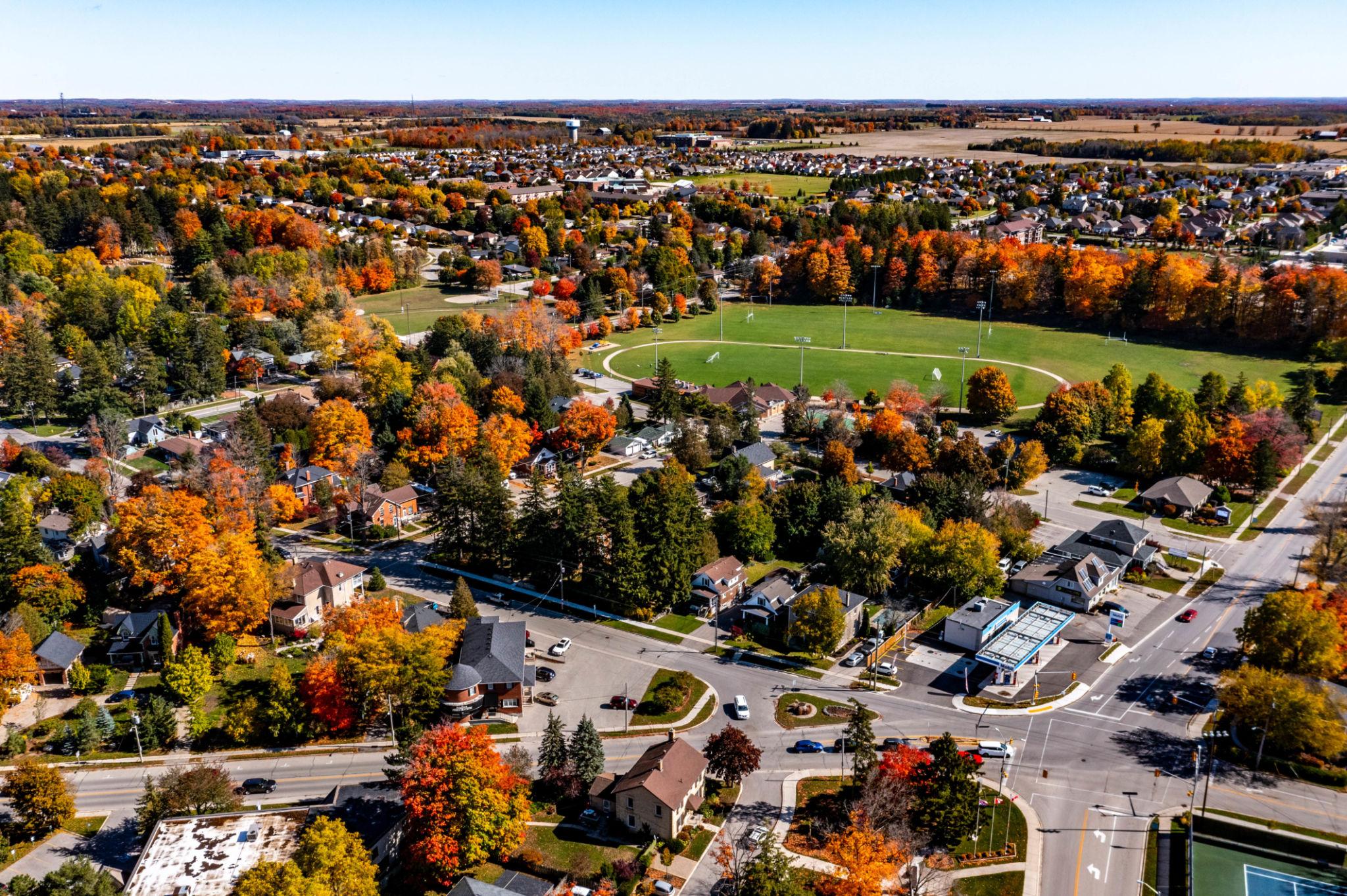
I look for small tells. Does the appraiser know which Guelph industrial parks have rail spurs, which mixed use blocks in Fergus face heritage facade controls, and which corners in Elora fill ground floor retail faster after festivals? Do they raise Source Water Protection mapping unprompted for restaurants or automotive uses near vulnerable areas? Do they ask for your HVAC service records and roof warranty details rather than simply noting age? These details correlate with tighter reconciliations and fewer surprises.
A few years ago, a client asked for a quick view on a Mount Forest commercial corridor site that looked perfect on paper. The aerials were clean, the zoning permitted the intended use, and the price per acre seemed fair. A short site visit and a call to the conservation authority confirmed a shallow water table and a flood fringe that had not been mapped correctly on a real estate flyer. The firm that wrote the fast take missed it. The corrected residual analysis shaved value by almost 40 percent once compensating design and pumping costs were in. Painful, but cheaper than closing and discovering it after engineering.
Five smart questions to ask before you hire
- What are the three most relevant Wellington County sales or leases you would rely on for this file, and how would you adjust them to the subject?
- How will you treat above or below market leases and option periods in your income approach, and what reserves will you apply for near term capital?
- For development land, what absorption and discount rates are you using today for comparable sites in Guelph or Centre Wellington, and why?
- What is your plan if a critical document, such as a Phase I ESA or a rent roll tie out, is delayed?
- Have you testified or defended your work in lender review or at a tribunal in the past two years, and what was the outcome?
Final thoughts for owners, lenders, and counsel
Choosing among commercial appraisal companies in Wellington County is less about brand and more about fit for purpose. For a stabilized income asset, prioritize firms that live in their rent rolls and comps. For land or special use, hire the shop that reads policy and engineering drawings as fluently as leases. If you need a commercial property assessment review to manage taxes, look for practitioners who can parse MPAC methodology and anchor an appeal. When you search for commercial building appraisers in Wellington County, ask for evidence that they have solved your exact problem in this geography in the last year. If the assignment leans rural or has a heavy agricultural component, be sure they do that work regularly. If the assignment is a nuanced site near the river, check for conservation authority experience.
The market will keep shifting. Rents change, cap rates trend, and policies evolve. Appraisers who track these changes closely, build their own datasets, and show their math will navigate those currents with you. That is what you are paying for when you hire a professional, and that is what separates the handful of standouts from the pack of generalists when it comes to commercial building appraisal Wellington County, commercial land appraisers Wellington County, and the broader bench of commercial appraisal companies Wellington County.