Cost vs. Value: Navigating Commercial Property Appraisal Grey County for Renovations
Grey County rewards careful investors. The market is diverse, from industrial and logistics nodes along Highway 6 and 10, to main street retail in towns like Owen Sound, Hanover, and Meaford, to destination hospitality in The Blue Mountains. Renovations can unlock better rents, lower operating costs, or repurpose a building for a stronger use. They can also sink capital into improvements the appraisal will not recognize. The line between cost and value tightens in secondary markets where buyer pools are thinner and comparables are nuanced. Getting it right starts with understanding how a commercial real estate appraisal Grey County reflects the local demand drivers and the realities of construction in a four-season climate.
What an appraiser is actually valuing when you renovate
A commercial property appraisal Grey County is not a tally of receipts. It is an opinion of market value that reflects how typical buyers, lenders, and tenants would view the property on a given date. The appraiser usually draws on three approaches and reconciles them with professional judgment.
Income approach. For income properties, value leans on net operating income and market capitalization rates. If your renovation allows rents to rise from 14 to 18 dollars per square foot and trims operating costs by 1 dollar per square foot, that moves the needle fast. A 15,000 square foot industrial building that adds 5 dollars per square foot to NOI increases value by roughly 1.25 million at an 8 percent cap rate. If those rent lifts are speculative or hinge on an unproven tenant niche, the appraiser will temper the projection or model leasing risk.
Direct comparison. The appraiser studies recent sales of similar assets, adjusts for differences, and reads the tea leaves on buyer appetite. Renovations that align your building with what sold at premiums in Grey County carry weight. A bland, dated storefront at the edge of a mixed retail and residential corridor may benefit less than a corner building in a pedestrian heavy block of downtown Owen Sound. Evidence rules. If there are few recent trades, the appraiser may expand the geography or time frame and then scale adjustments thoughtfully.
Cost approach. Most relevant for special use or newer properties. The appraiser estimates the cost to replace the improvements new, then deducts physical depreciation and obsolescence. Renovations that cure functional issues, like adding loading docks with proper turning radii, can reduce functional obsolescence. Overly bespoke finishes tend to get treated as short lived and do not add dollar for dollar value.
Across these approaches, the commercial appraiser Grey County will ask the same question: can the market prove your renovation’s benefits with rents, sales, or reduced risk?
Grey County’s specific context matters more than you think
It is tempting to import assumptions from Toronto or Kitchener. Grey County has its own rhythms.
-
Tenant depth is thinner in smaller towns. Leasing up a repositioned building can take longer, and rent spreads between Class B and a newly polished Class A lite space might be tighter. In appraisal terms, that can mean slightly higher vacancy and leasing cost allowances in pro formas and a cap rate that does not compress as much as you expect.
-
Seasonal patterns influence both construction and demand. Roof replacements, site work, and envelope upgrades are sensitive to frost and snow. Hospitality and retail trades have shoulder seasons that should factor into downtime and stabilization analysis.
-
Utilities and servicing vary widely. Rural commercial sites may depend on wells and septic systems, and upgrades there do not translate to rent increases as directly as an HVAC or lighting retrofit in a town serviced property. Appraisers consider remaining life and compliance, but they will not overvalue invisible infrastructure without a revenue link.
Local knowledge is central. Commercial property appraisers Grey County see the nuance in a Meaford downtown mixed use building compared with an Owen Sound light industrial box near the highway. Engage them before you finalize scope.
Renovation strategies that usually translate into appraised value
One reliable way to think about renovations is to map each line item to a value mechanism. If you cannot point to a rent premium, a reduction in operating costs, a drop in risk, or a broader buyer pool, the appraisal may not care.

Energy and building systems. LED retrofits, demand controlled ventilation, high efficiency rooftop units, and better building automation reduce expenses that flow straight to NOI. In older single tenant industrial buildings around Durham or Flesherton, we have measured 0.80 to 1.20 dollars per square foot in annual savings after lighting and HVAC upgrades, with simple paybacks between 3 and 6 years. Provided leases are net, those savings capitalize into value. Bring utility bills before and after, and commissioning reports. Appraisers value what they can verify.
Access and code compliance. AODA accessibility corrections, fire separations, sprinklers where required, and electrical safety upgrades take on outsized importance with lenders. They do not always draw higher rents, but they reduce risk and clear the way for stable tenancy. In appraisal terms, that can lower the stabilization period or reduce deductions for deferred maintenance.
Functional improvements. Think dock doors added, clear height raised where feasible, or redesigning a retail bay layout to accommodate modern tenant footprints. In a former small town grocery store repurposed for value oriented soft goods, carving 8,000 square feet into two 4,000 square foot units with proper rear loading created measurable leasing traction that the market could price. The appraiser does not count the partitions; they count the rent you could never have achieved without the split.
Curb appeal that matters. In main street locations, a cohesive facade, quality glazing, durable signage bands, and bright, consistent lighting increase foot traffic and tenancy velocity. Cosmetic dollars alone seldom deliver a return, but paired with sensible leasing strategy they grease the skids for higher rents and shorter downtime. Appraisers will look for comparable properties that recently traded after similar upgrades.

Specialized finishes. Be careful. Cold storage buildouts, restaurant kitchens, or craft beverage infrastructure can be valuable to a narrow buyer set. If you own the operator, value accrues to the business as much as the real estate. The appraisal may discount some costs as leasehold or business value, unless you can show transferable demand in the submarket.
Two brief checklists to keep value tied to cost
Pre-renovation appraisal actions to anchor your plan:
- Commission an as-is and as-if-complete appraisal scope from commercial appraisal services Grey County, including an income approach with market rent support, and a sensitivity around vacancy and cap rate.
- Ask for paired sales and rent comps of renovated versus unrenovated peers to size the likely uplift and avoid over-scoping finishes.
- Obtain a zoning and building code review, including AODA, fire, and any site plan triggers, so your design chases value that can be legally realized.
- Build a stabilization timeline with leasing assumptions and tenant inducements that match local velocity, not a big city norm.
- Line up documentation habits now: permits, invoices, commissioning reports, utility baselines, and post-renovation meter data.
Upgrades that often provide measurable value in Grey County assets:
- Building envelope work that tightens air leakage and improves R value, coupled with high efficiency HVAC, especially in single tenant industrial and grocery anchored retail boxes.
- Lighting retrofits with controls that yield concrete kilowatt hour reductions documented across two seasons.
- Loading, access, and site circulation fixes that expand the tenant pool in older industrial properties.
- Washroom and accessibility upgrades in main street mixed use, making upper floor office or residential conversions viable.
- Fire and life safety improvements that unlock financing and tenant covenants, reducing lender haircuts in the appraisal.
Case notes from the field
Owen Sound light industrial, 20,000 square feet, 1970s tilt up. The owner replaced the roof, added three dock levelers, converted metal halide to LED, and installed two high efficiency RTUs with a basic building automation system. Total hard cost around 480,000 dollars. Prior rent sat at 10.50 dollars per square foot net on a short term deal. Post upgrade, they signed a five year term at 13.75 dollars net with modest tenant improvements. Net operating income rose by roughly 75,000 dollars annually, including 0.90 dollars per square foot in energy savings under a net lease. At an 8.25 percent cap, appraised value gained about 915,000 dollars. The appraisal recognized the income facts more than the replacement of the roof itself. The lesson is simple, tie the dollars to a proven lease.
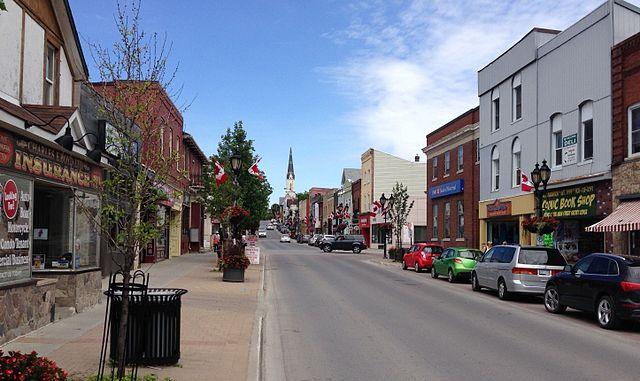
Hanover downtown mixed use, 2 retail bays below, 6 walk up apartments above. Facade restoration, new storefronts, common area refresh, and in suite upgrades on turnover. Costs near 350,000 dollars over 18 months. Retail rents rose modestly from 15 to 17 dollars per square foot net, but residential rent lifts and lower turnover stabilized cash flow. The direct comparison method pulled in two recent trades with similar work and supported a cap rate compression from 6.75 to 6.25 percent due to stronger tenancy and better condition. Again, value followed stable, diversified income more than the paint and tile.
The Blue Mountains hospitality, 12 room boutique lodging with a licensed restaurant. The owner invested in high end finishes and a full kitchen refit. Rooms were booked out most weekends, but shoulder season weakness remained. The appraiser treated a share of improvements as business value and leasehold, not real estate, and used an income approach based on stabilized average daily rate and occupancy consistent with competitive sets. The takeaway, in operating businesses, the appraisal isolates real estate income, not your chef’s reputation.
Budget realism, not optimism bias
Renovation budgets swell. In cold climates, envelope and structural surprises are common. If you present a pro forma to the appraiser with tight costs and aggressive rent growth, expect stress testing. Sensible contingencies, usually 10 to 20 percent depending on building age and scope, show maturity. If your costs materially exceed what the market can support through rents or cap rate compression, the appraisal will not bail you out.
Labor availability affects timing and cost. Trades in Grey County may be committed to larger projects in Collingwood or Simcoe County. That can drag schedules by weeks or months, which affects carrying costs and lease commencement. An appraiser analyzing an as-if-complete value will model stabilization periods that reflect realistic delivery dates.
Lender expectations, and how appraisals slot into financing
Many renovations proceed under construction financing that converts to term financing at stabilization. Lenders in this region often require both an as-is value to size initial advances and an as-if-complete value to set the takeout. The commercial appraiser Grey County will:
-
Review plans and specs, budgets, schedules, and permits.
-
Evaluate market rents and expenses for the completed state, not the wish list.
-
Apply rent loss and leasing costs to reach stabilized NOI if the property is not pre-leased.
-
Choose a cap rate supported by renovated comparables, adjusting for location and asset class.
Documentation is your ally. If you have a pre-lease, a letter of intent, or a history of similar leasing velocity in your own portfolio nearby, share it. If you plan to strata title commercial condos, be ready to show sales evidence and market absorption. Absent proof, the appraiser will often default to conservative leasing timelines and cap rates.
Regulatory touchpoints that can derail value if ignored
Permitting and compliance show up in appraisal risk adjustments. If an appraiser senses unresolved code items or site plan approvals hanging in the balance, they will reflect it.
Building code and fire. Change of use prompts heavier requirements, such as sprinklers, fire separations, or egress upgrades. If your plan repurposes a warehouse to a gym or food production, full code review with a qualified consultant helps price the lift. Appraisers discount incomplete or uncertain scopes.
AODA accessibility. Retail and office renovations that ignore barrier free requirements risk tenant pushback and lender flags. Adding accessible washrooms, power operators, and compliant parking is often not optional.
Environmental. Phase I Environmental Site Assessments are routine for financing. Older automotive, agricultural, or industrial uses on rural sites sometimes hide surprises. An unaddressed recommendation for Phase II will chill value quickly. If you remediate, keep certificates and closure documents neat.
Zoning. Grey County municipalities vary in their approach to parking, signage, and outdoor storage. An appraisal will only value the legal use. If your beautified repair shop cannot lawfully display inventory outdoors, the marketability suffers.
How to work with commercial appraisal services Grey County before you swing a hammer
The best outcomes come when you treat the appraiser as an early sounding board, not a postscript.
Share your thesis and ask for friction. If you are planning to add two dock doors and a small office rebuild to attract 12 dollar net tenants where the market averages 9 to 10, ask the appraiser to challenge the rent spread and the tenant profile. A professional will not promise a number, but they will point to comparables and push you to define a path to proof.
Request reporting that suits your decision, not just the lender. An as-is, as-complete, and as-stabilized trio gives you a timeline view. If your scope is in flux, ask the appraiser to bracket a lean version and a full version of the plan, showing value sensitivity.
Ask for red flags in writing. A one page memo on risks that would depress value, from unproven rents to functional quirks or permit needs, can save months later.
Keep your paper trail clean. Appraisers place weight on third party evidence. Energy audits, commissioning reports, lease abstracts, and contractor warranties build a file that makes your value story easier to defend.
Pricing the cap rate, a practical translation
In secondary markets like Grey County, cap rates for renovated assets may land in tighter bands than owners expect. A tidy small format industrial building with good access and a 5 year lease to a local credit tenant might trade near 7.5 to 8.5 percent, depending on size and covenant. High street retail with strong foot traffic and diversified tenancy might center between 6.25 and 7.25 percent. Hospitality with real estate heavy value often sits higher and varies widely with management strength.
The appraiser’s cap rate is not just a number pulled from thin air. They back into it from evidence, adjusting for location, size, lease term, tenant quality, and building condition. Renovations that increase lease term, improve tenant covenant, or reduce obsolescence allow the cap rate to compress. Cosmetic work alone rarely shifts it.
If you want the appraisal to justify a 50 to 75 basis point compression, bring comparative sales or a story grounded in tenant quality, not just nicer photos.
When the appraisal will not give you credit
Certain cost items, while responsible, do not translate neatly into value.
-
Deferred maintenance catch up. Replacing a failing roof or correcting a hazardous electrical panel returns your building to baseline. Appraisers rarely assign more than a modest lift unless the prior condition was dragging rents or marketability.
-
Overpersonalized finishes. Exotic stone in a service retail bay, top tier millwork in a back office, or designer lighting seldom push rents in a small town where tenants prize function and budget. Keep the front of house crisp and durable, the back of house efficient and compliant.
-
Amenities without user demand. A gym or communal lounge in a small office building might help leasing, but only if tenants value it enough to pay higher gross rent. Survey local brokers before you spend.
-
Excess land without a path. Extra yard space or side lots can be valuable if zoning and site constraints allow expansion, additional parking income, or outdoor storage. If not, the appraisal may assign little or no contributory value beyond a nominal uplift.
Understanding these limits early keeps you from chasing dollars the market will not return.
Timing the market, not chasing it
Rents and buyer appetite move. If you plan an 18 month renovation, your as-if-complete value will live in a slightly different market. The appraiser will frame a reasonable outlook, but they cannot guarantee future rents. Build your case with offsetting strengths you can control: longer leases, better covenants, and durable cost savings. If the market softens, those components preserve value. If it strengthens, you get the upside anyway.
One tactic that works in practice is to pre-lease a portion of the asset at target rents with flexible delivery dates. Even 30 percent pre-commitment can anchor the appraisal’s income approach and support a better loan structure.
Choosing the right partner
Not all appraisers see the county the same way. Ask commercial appraisal services Grey County about their recent assignments in the same asset class and municipality. Probe their understanding of local rent drivers, industrial tenant mixes, and main street dynamics. Request sample pages of redacted reports to see how they support cap rates and market rents with evidence. The best commercial property appraisers Grey County combine discipline with an ability to weigh thin comparables pragmatically.
Likewise, choose contractors and architects who have delivered in winter and understand rural servicing. A design that assumes city level fire flow on a well will disappoint everyone, including the appraiser who has to haircut your as-complete assumptions.
Bringing it all together
Renovations that the market understands and rewards will show up in the appraisal. If you are aligning a building’s function with a clear tenant segment, improving income stability, and cutting operating costs you can demonstrate, value will move. If you are polishing a story without revenue or risk improvements, you will likely find the gap between cost and value.
Grey County is a place where practical changes count. Wider turning radii, reliable heat, clean facades, safe stairs, and good lighting do more for value than ornate touches or back of house indulgences. Pair those changes with thoughtful leasing and credible documentation, and your commercial real estate appraisal Grey County will likely validate the investment. Ignore the local context, skip the early appraisal input, or overbuild for a tenant who never arrives, and you may own a beautiful building the market does not pay for.
The discipline is simple but not easy. Start with the appraiser, design for income and risk reduction, and measure everything you can. Costs are certain the day you sign a contract. Value is earned in the months and years that follow.